

Easy Lemon Playdough Recipe
Looking for a fun and educational activity to try with your preschooler? Making lemon-scented playdough is a fantastic choice! This simple lemon playdough recipe not only fills the room with a fresh, invigorating aroma but also provides a great sensory experience for young children. Imagine the delight on your child's face as they squish and roll the smooth, soft dough, all while soaking in the calming scent of lemon. Plus, the process of making the playdough together offers a wonderful bonding time for both kids and parents. Ready to get started? Let's make some lemon playdough!

Want to make more playdough? Check out these 30+ playdough recipe ideas!
Benefits of Lemon Scented Playdough
Playing with lemon scented playdough is not just about fun and games. It's also a fantastic way for preschoolers to develop important skills. With this simple activity, kids can boost their fine motor skills, creativity, and even enjoy some calming effects thanks to the refreshing citrus scent. Let's dive into the key benefits.
Boosts Fine Motor Skills
Fine motor skills are crucial for young children. These skills involve the small muscles in the hands and fingers, which are essential for tasks like writing and buttoning a shirt. Lemon playdough makes learning these skills enjoyable.
- Hand Strength: Squeezing, rolling, and flattening the playdough helps strengthen tiny hand muscles.
- Coordination: Manipulating the playdough improves hand-eye coordination. Kids learn to control their hand movements more precisely.
Sparks Creativity
Kids love to express themselves, and lemon playdough provides an ideal outlet for their imagination. It's more than just a toy; it's a tool for creative development.
- Endless Possibilities: Children can mold the playdough into various shapes and figures, sparking endless imaginative play.
- Problem-Solving: Creating something from scratch requires planning and problem-solving, essential skills for overall cognitive development.
Calming Effects of Citrus Scents
The scent of lemon is known for its calming properties. Using lemon-scented playdough can help soothe anxious or restless children.
- Aromatherapy: The natural lemon scent acts like aromatherapy, helping to calm and focus kids.
- Sensory Experience: The combination of touch and smell provides a dual sensory experience, making the activity more engaging and enjoyable.
Encourages Mindful Play
Mindfulness is not just for adults. Kids also benefit from activities that promote peace and relaxation. Lemon playdough can be a great way to introduce mindfulness to children.
- Focus and Concentration: Working with playdough requires children to focus, promoting longer attention spans.
- Stress Relief: The repetitive motions involved in playing with playdough can be very soothing, helping kids to relieve stress.
Supplies Needed for Lemon Playdough
Creating lemon-scented playdough is a fun and easy activity that you and your preschoolers will enjoy. To get started, you'll need a few key ingredients and tools. Let’s break it down step by step.
Essential Ingredients
To make the perfect batch of lemon playdough, you’ll need:
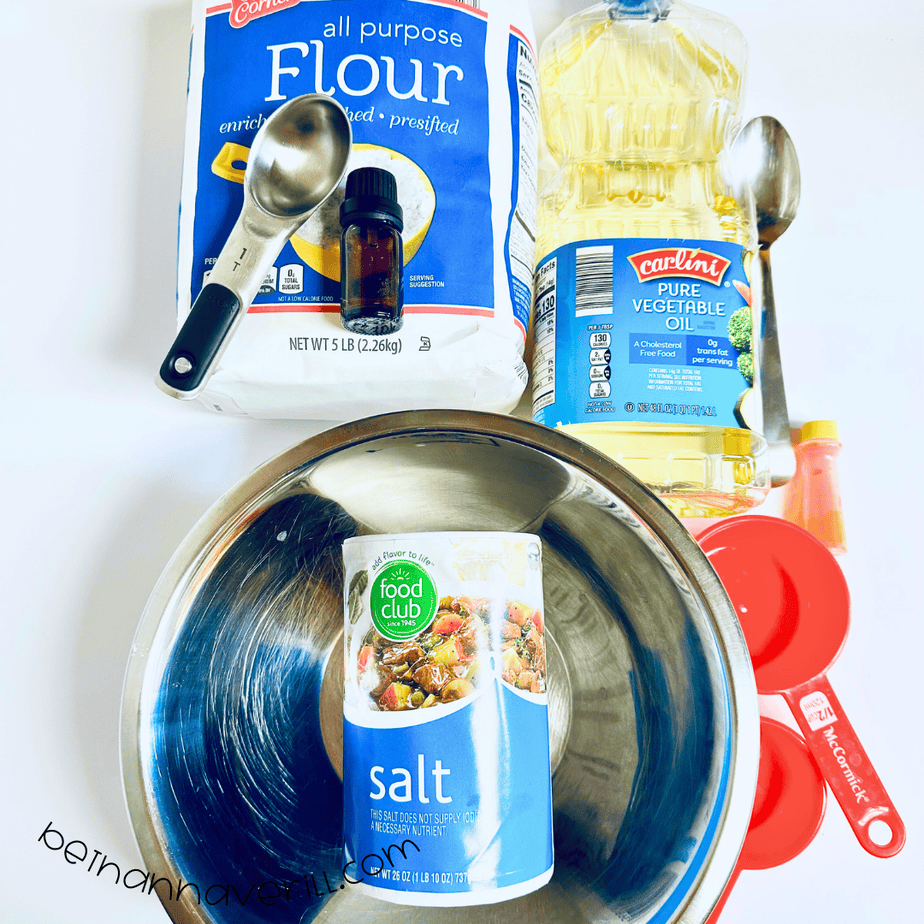
- Flour: This is the base of your playdough. All-purpose flour works best.
- Salt: Essential for texture and preservation.
- Vegetable Oil: Helps keep the playdough smooth and pliable.
- Yellow Food Coloring: Gives the playdough a bright, lemony color.
- Lemon Essential Oil or Lemon Juice: This ingredient gives the playdough its refreshing lemon scent.
These ingredients are easy to find and likely already in your kitchen. The combination of these elements results in a dough that is not only fun to play with but also smells amazing.
Necessary Tools
Having the right tools makes the process a lot smoother. Here’s what you’ll need:
- Mixing Bowl: A large bowl to mix all your ingredients together.
- Spoon: For stirring and combining ingredients.
- Measuring Cups: Precision is key, so measuring cups help you get the ratios just right.
- Airtight Container: To store any leftover playdough. This keeps it fresh for future play sessions.
Using these tools will ensure that your lemon playdough turns out perfectly every time. Happy crafting!
Step-by-Step Lemon Playdough Recipe
Ready to get crafting? Find the instructions below!
Lemon Playdough Recipe

Materials
- Flour, 1/2 cup
- Salt, 1/4 cup
- Vegetable oil, 1 tsp
- Yellow food coloring
- Lemon essential oil (you could also use lemon juice)
Tools
- Mixing bowl
- Mixing spoon
- Measuring cups
Instructions
- Gather your supplies.
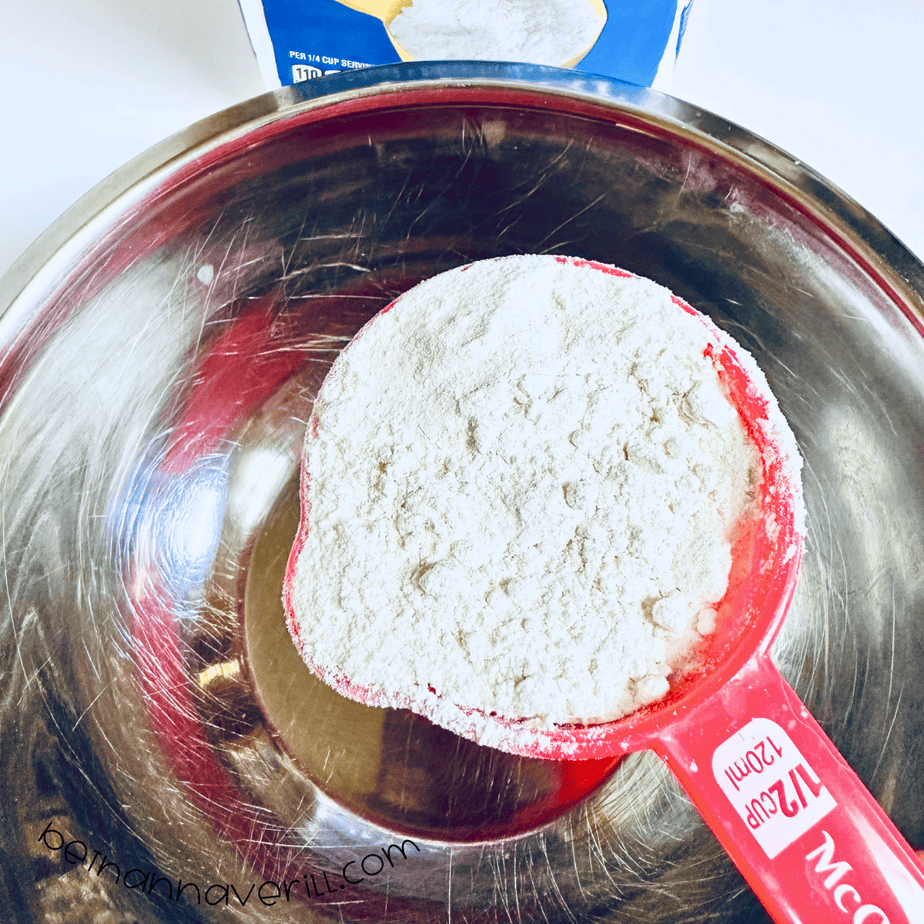
- In a large mixing bowl, whisk together the flour, salt, and cream of tartar. This helps to ensure everything is evenly distributed.
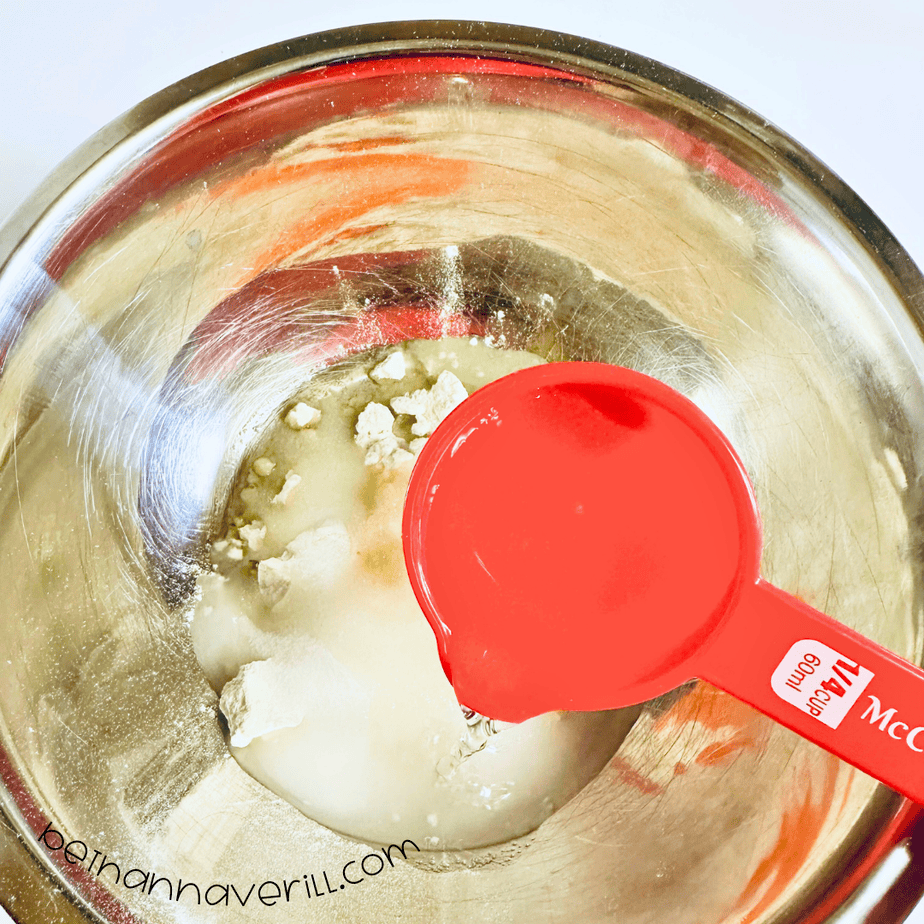
- Then add the wet ingredients.
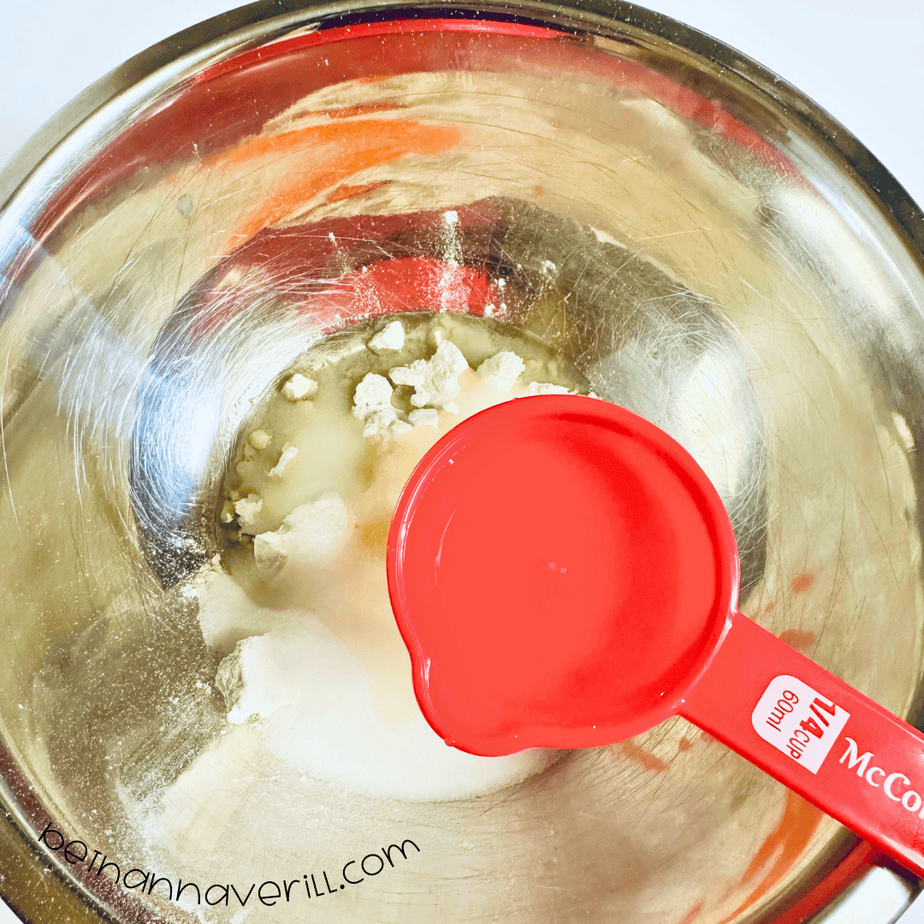
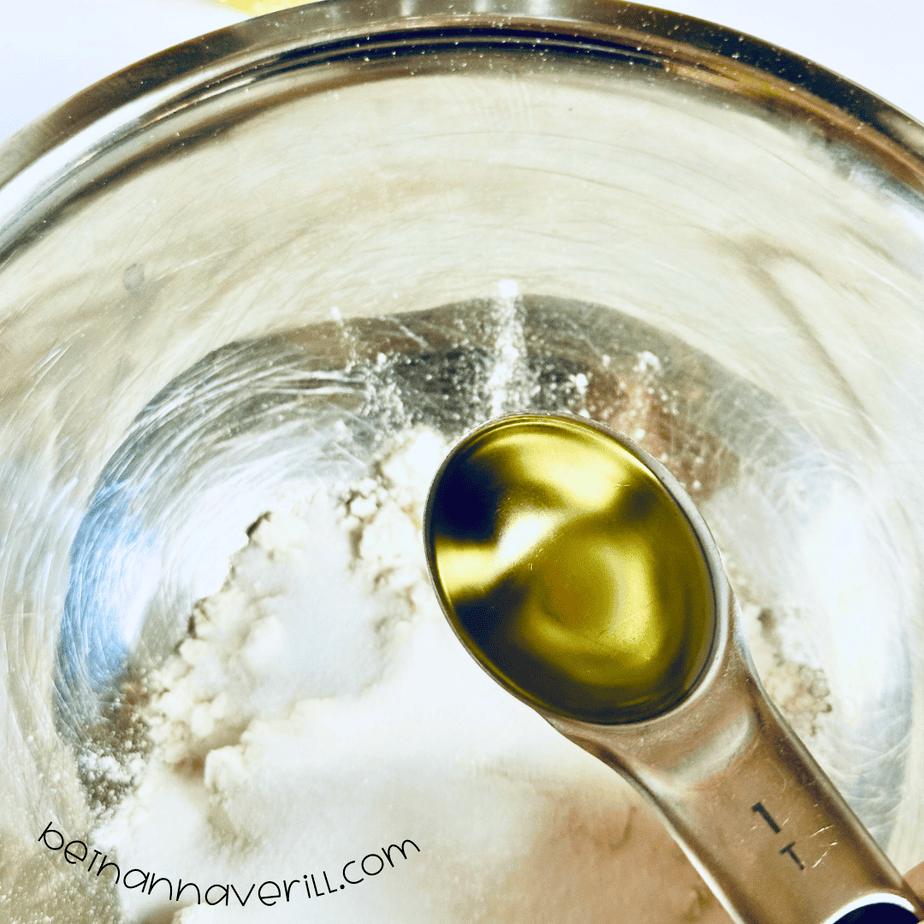
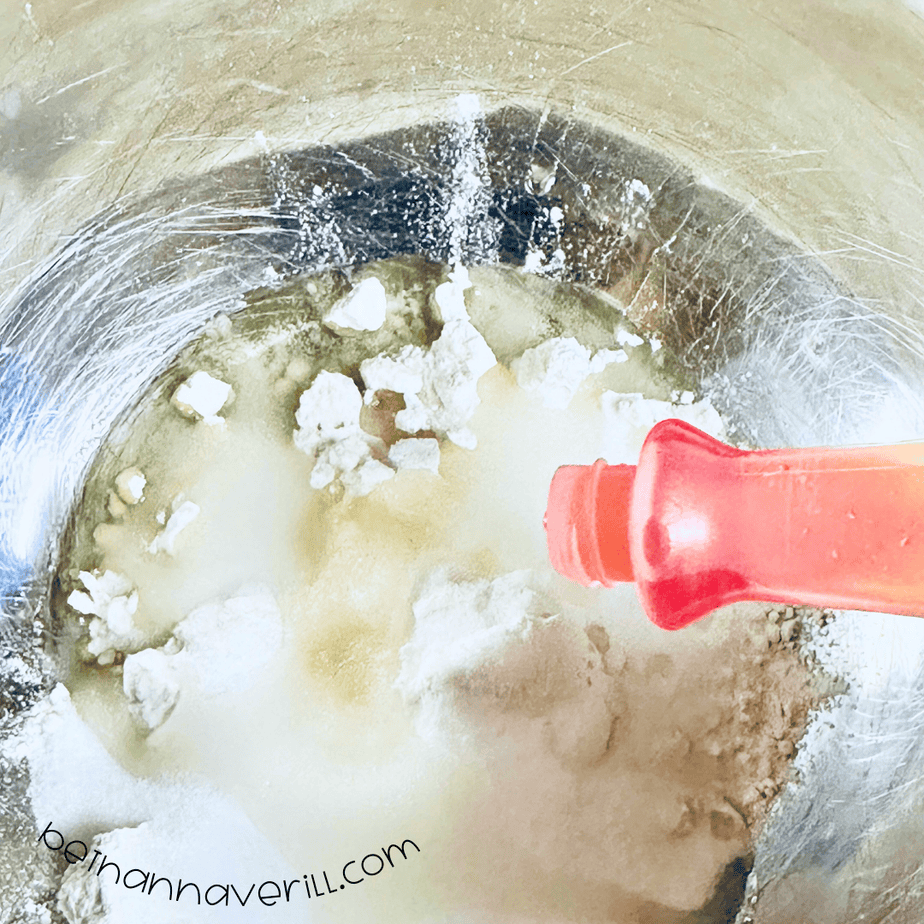
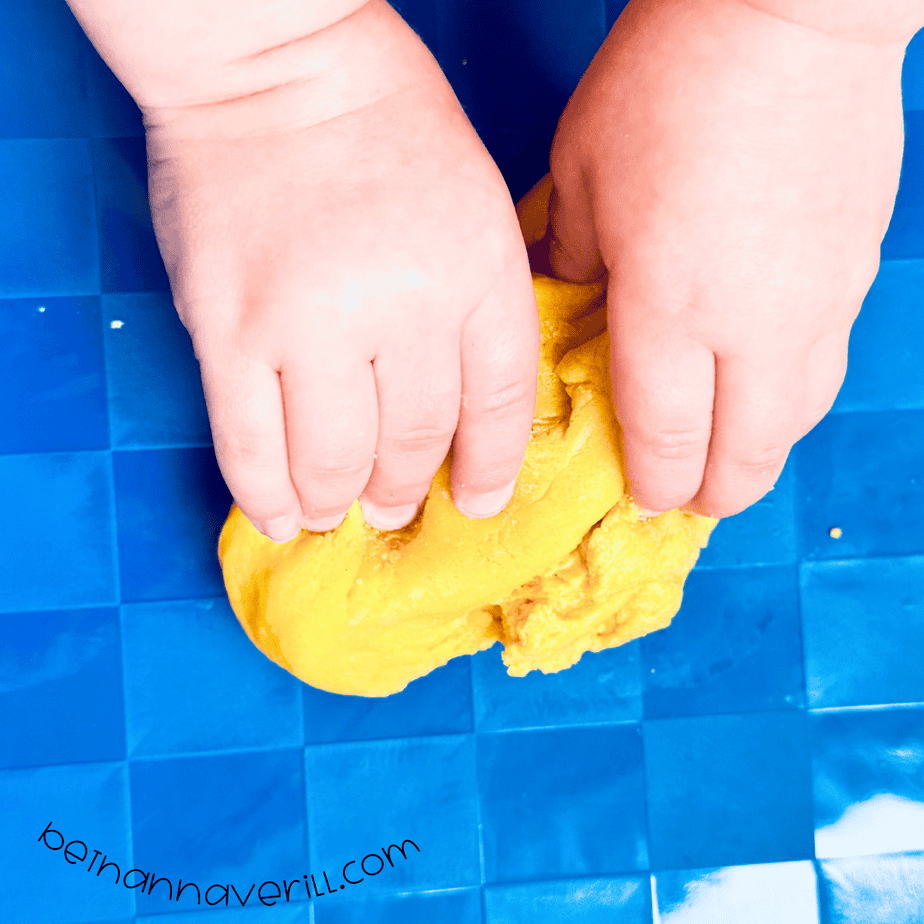
- Once everything in incorporated, knead the playdough with your hands until it become soft and smooth.

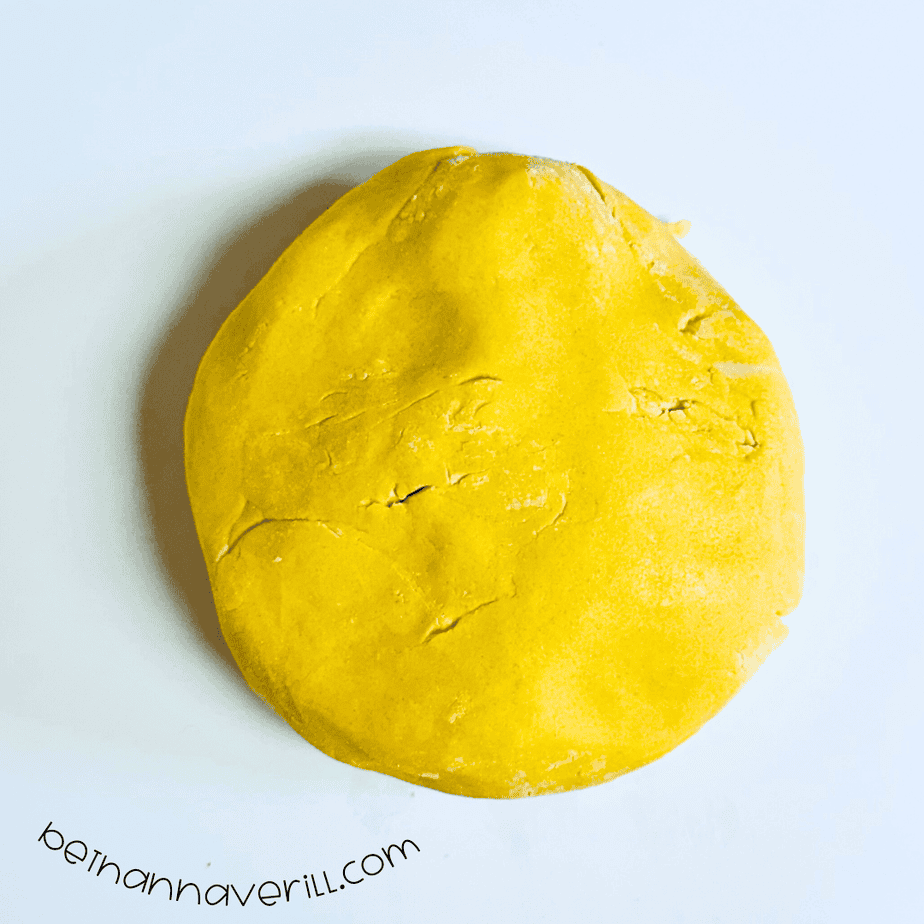
- Then play!
Creative Ways to Use Lemon Playdough
Lemon scented playdough is not just fun; it offers endless possibilities for learning and creativity. Its bright color and zesty scent can make any activity more engaging. Let's dive into some awesome ways to use lemon playdough with your little ones.
Sensory Play Ideas
One of the best things about lemon playdough is its ability to provide a rich sensory experience. Here are some activities to boost sensory exploration:
- Smell and Touch: Encourage your child to explore the texture and scent of the lemon scented playdough. Ask them questions like, “Does it feel squishy or firm?” or “What does the smell remind you of?”
- Textured Play: Incorporate different textures into the playdough by adding items like rice, glitter, or small beads. This can help kids explore how different materials feel.
- Scent-Matching Game: Use various scented items and have your child match them to the lemon playdough scent. This can include other fruits like oranges or limes.
Learning Activities
Lemon playdough can also be a great tool for educational activities. Here are some ideas to get started:
- Counting Practice: Roll the playdough into small balls and use them for counting exercises. “How many lemon balls do we have here?” It's a fun way to practice numbers.
- Letter Formation: Shape the playdough into different letters and words. This tactile activity helps kids learn letter shapes and spelling. Parents can guide the children to form their names, simple words, or even phrases.
- Imaginative Play: Create scenes or objects with the playdough. Maybe a lemony sun, little animals, or even a whole citrus-themed world! Encourage your child to tell a story about their creations.
Safety and Storage Tips
Making your own lemon-scented playdough at home is fun and safe for kids. However, there are a few things to keep in mind to ensure a safe and enjoyable experience. In this section, we'll cover safety measures and storage tips.
Keeping Playdough Safe for Kids
While the ingredients in lemon playdough are non-toxic, it's important to monitor playtime, especially with younger children.
- Non-Toxic Ingredients: The lemon playdough recipe typically includes flour, salt, water, lemon juice, and food coloring. These ingredients are safe, but it's still best to avoid ingestion.
- Supervision Matters: Always keep an eye on your kids while they play. Even though the playdough is safe, it’s not meant to be eaten.
- Clean Hands: Ensure kids wash their hands before and after playing to avoid any contamination.
Storage Guidelines
Proper storage helps keep your lemon playdough fresh and usable for weeks.
- Airtight Containers: Store the playdough in an airtight container. Mason jars or plastic containers with tight lids work well. This prevents the playdough from drying out.
- Cool, Dry Place: Keep the container in a cool, dry place. Avoid areas with direct sunlight or high humidity.
- Refrigeration Option: For longer shelf life, you can store the playdough in the refrigerator. Just let it warm up to room temperature before use.
- Label Date: Label the container with the date the playdough was made. Homemade playdough typically lasts up to a month if stored properly.
Please Share This Lemon Playdough Recipe
Your shares are how this site grows and I am sincerely grateful. Know a friend who’d like this? Please share it on Facebook or save it to your favorite kids’ activity board on Pinterest.


