

Easy Chamomile Flower Playdough Recipe
Chamomile isn't just for tea—it's a wonderful addition to homemade playdough! This recipe not only fills your kitchen with a calming aroma but also creates a delightful sensory experience for children.
Packed with the soothing qualities of chamomile, this playdough can help your preschoolers explore textures and creativity in a playful, calming way.

Craving more playdough fun? Find 30+ playdough recipes in this post!
Why Choose Chamomile for Playdough?
When it comes to creating playdough for kids, you might wonder why chamomile should make the list of ingredients. It's more than just an herb. This flowering plant brings a touch of nature's magic into playtime, offering calming benefits that every parent would love. But why exactly should you choose chamomile for playdough? Let's break it down.
Calming Properties
Chamomile is renowned for its soothing properties, comparable to a hug in a teacup. Imagine this gentle calmness infused into playdough. It's like giving your child a mini-spa experience during playtime. Chamomile can help ease anxiety and stress, creating a relaxing environment for children. This makes it a perfect addition to playdough, transforming a simple activity into a therapeutic one.
Enhances Sensory Play
Sensory play is crucial for early childhood development, helping kids learn about the world through touch, smell, and sight. Chamomile adds an extra sensory layer with its subtle floral aroma. The scent can evoke a sense of comfort and tranquility, allowing children to explore with all their senses. Think of it as nature's way of adding a little zest to your child's play adventures.
Encourages Relaxed Playtime
Chamomile-infused playdough can serve as a quiet time catalyst. It encourages gentle, relaxed play, helping kids wind down after a long day of exploring and learning. Think of it as a soft invitation to relax and enjoy the moment, slowing the pace just enough to let creativity bloom.
Incorporating chamomile into playdough isn't just about making something fun; it's about creating a holistic experience that nurtures your child's body and mind.
Supplies Needed for Chamomile Flower Playdough
So, what do we need to bring this calming creation to life? Let’s dive into the list of essentials and some optional extras that can make this DIY project a sensory sensation for young children and their parents.
Essential Ingredients
When making chamomile flower playdough, each ingredient serves a unique purpose in the recipe. Here’s a quick rundown:
- Flour: This is the main structure of the playdough, giving it that soft, pliable texture. All-purpose flour works best for a smooth finish.
- Salt: Used to help with preservation. Salt prevents mold, allowing the playdough to last longer.
- Water: Acts as the binding agent, bringing all the ingredients together into a cohesive dough.
- Oil: Vegetable or canola oil adds moisture and prevents the dough from drying out quickly, ensuring a neat and pleasant feel.
- Chamomile Flowers: Adding chamomile flowers to the playdough adds a relaxing scent and natural coloring.
Step-by-Step Instructions to Make Chamomile Playdough
Ready to get crafting? Find the instructions below!
Chamomile Flower Playdough Recipe

Making chamomile playdough at home is a fun and easy activity you can do with your kids. With just a few simple ingredients and some basic kitchen tools, you'll have a delightful sensory toy that promotes creativity and relaxation.
Materials
- Flour
- Salt
- Dried Chamomile Flower
- Water
- Vegetable Oil
Tools
- Mixing Bowl
- Mixing Spoon
- Measuring Cups
Instructions
- Gather your supplies.
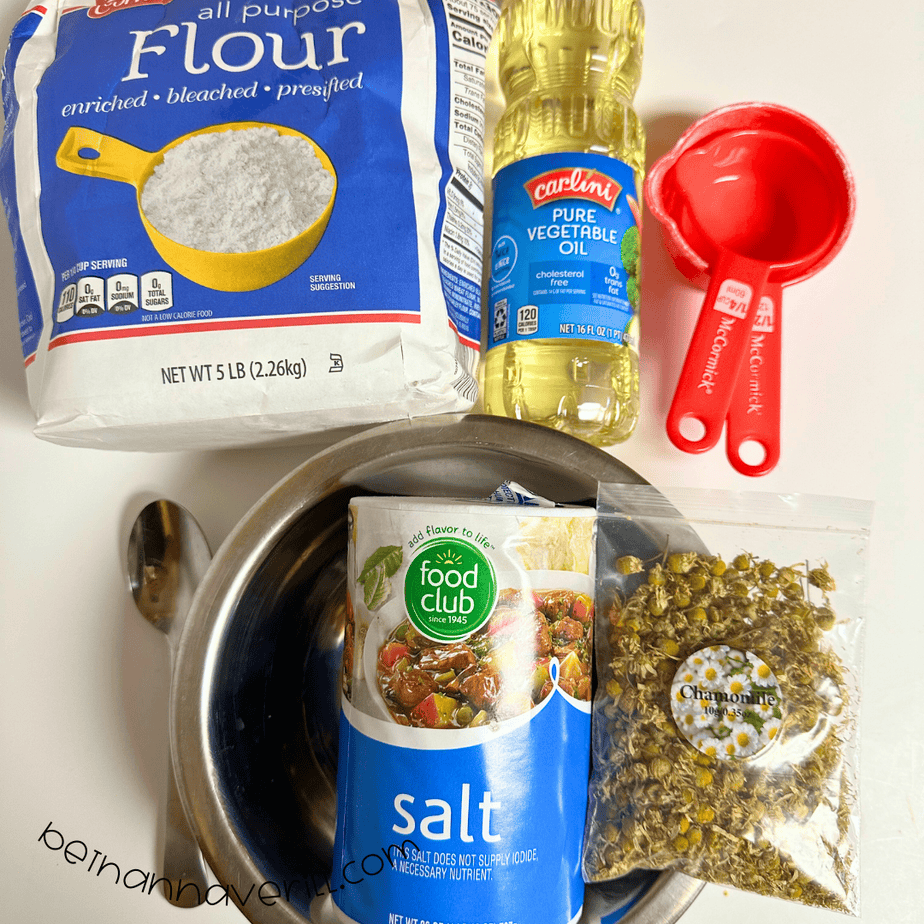
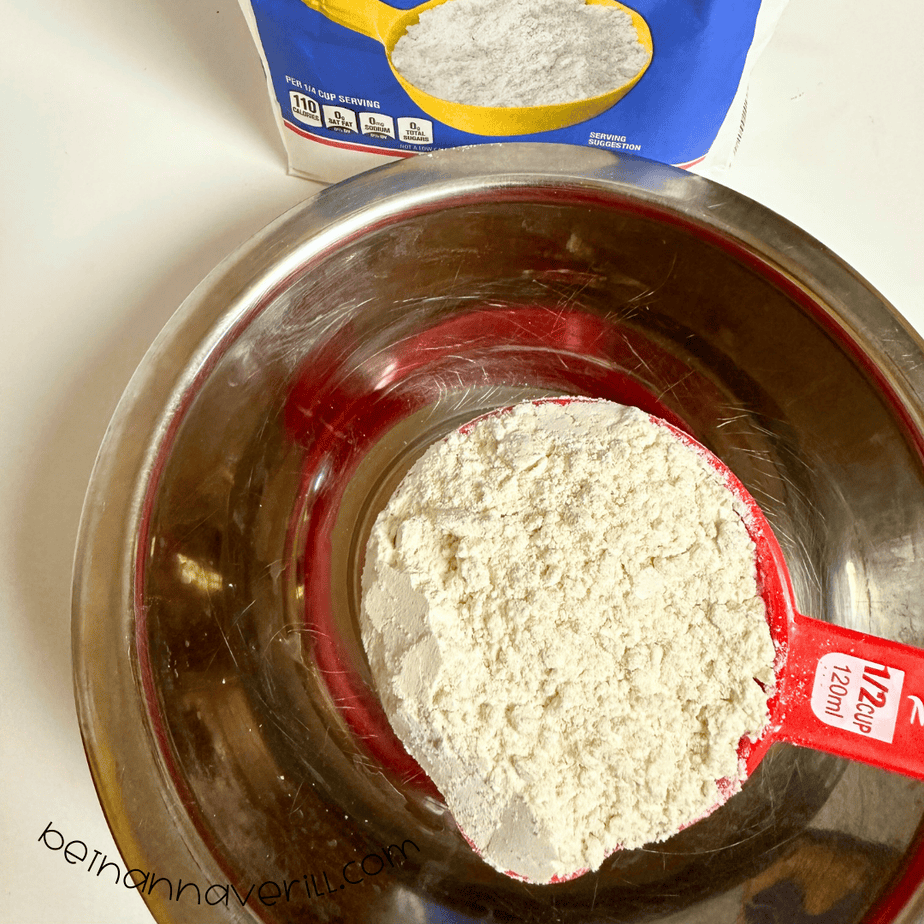
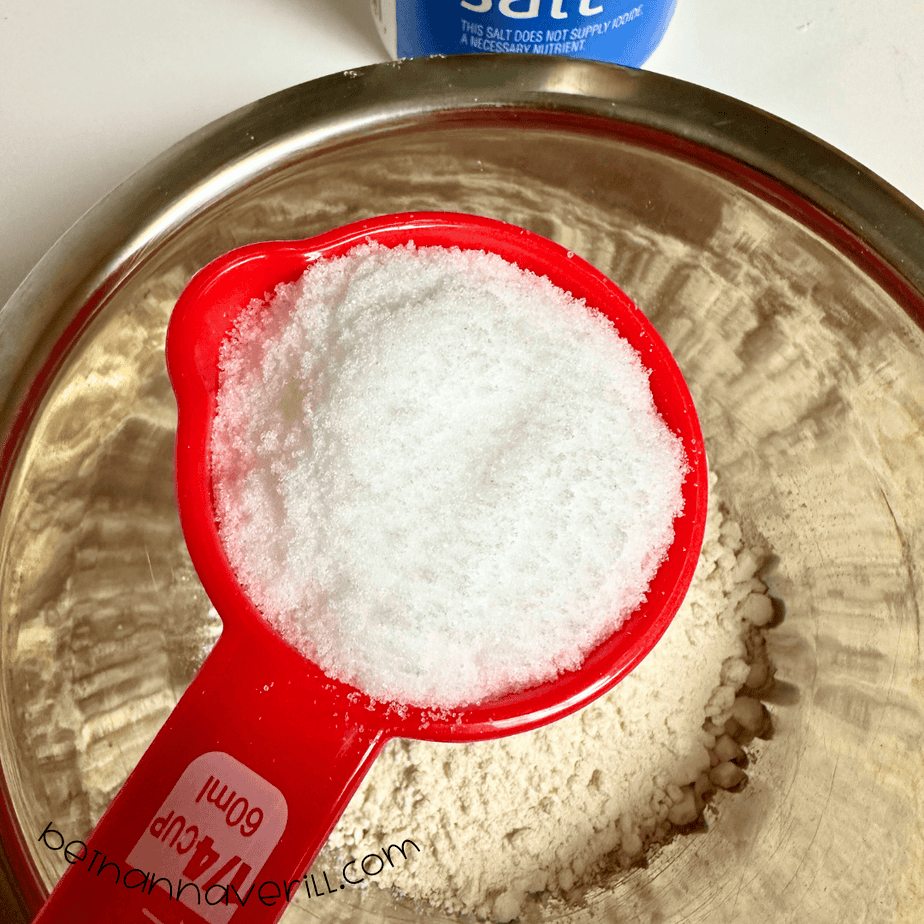
- Add 1/2 cup of flower and 1/4 cup of salt.
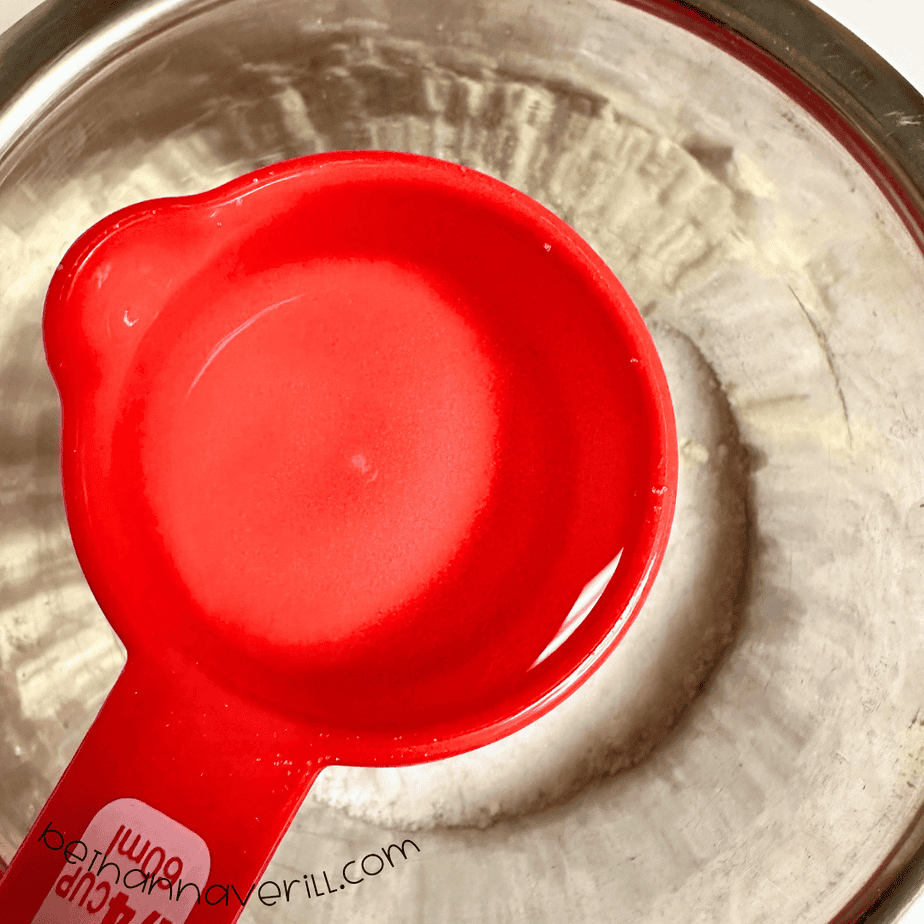
- Next add 1/4 cup of water, 1/4 cup of dried chamomile flowers, and a tablespoon of vegetable oil.
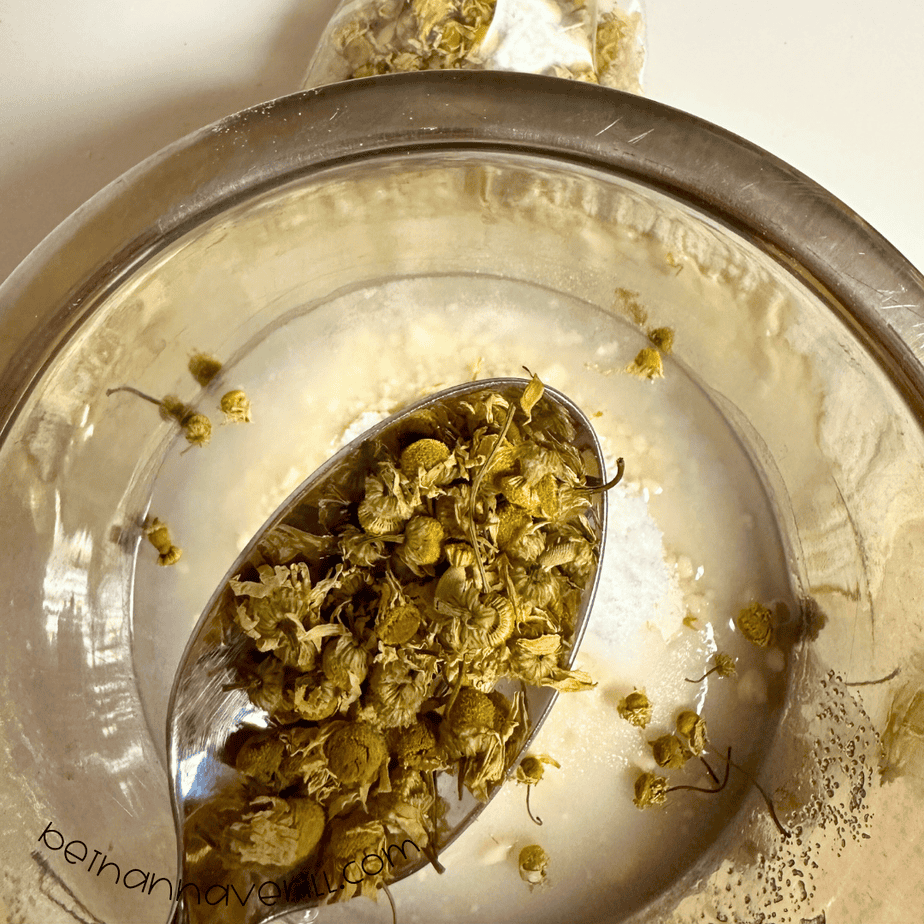
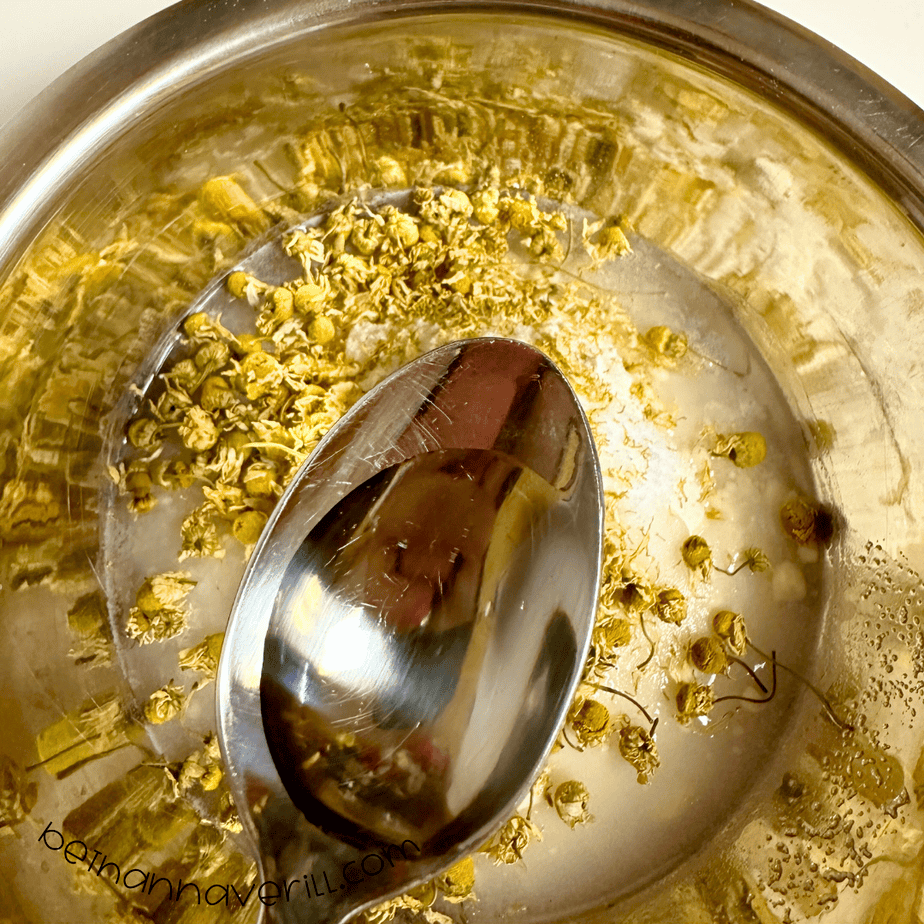
- Mix everything together and check consistency. If your playdough is too dry, slowly add in some water. If your playdough is too sticky, slowly add in some flour.
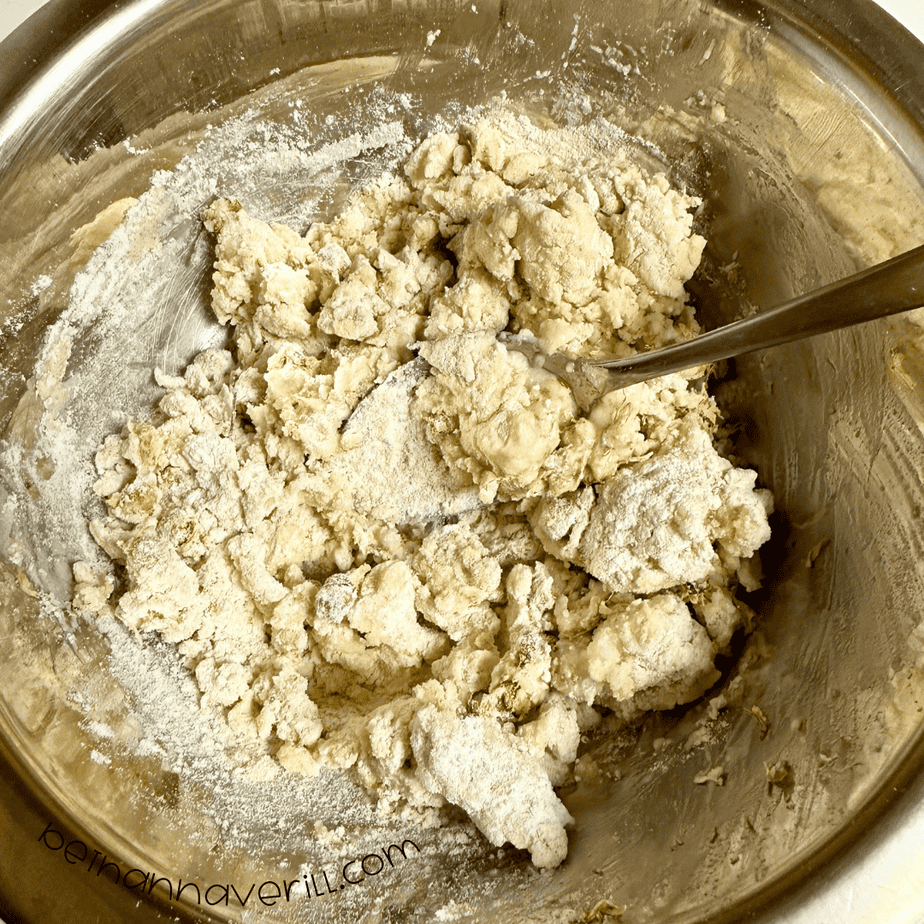
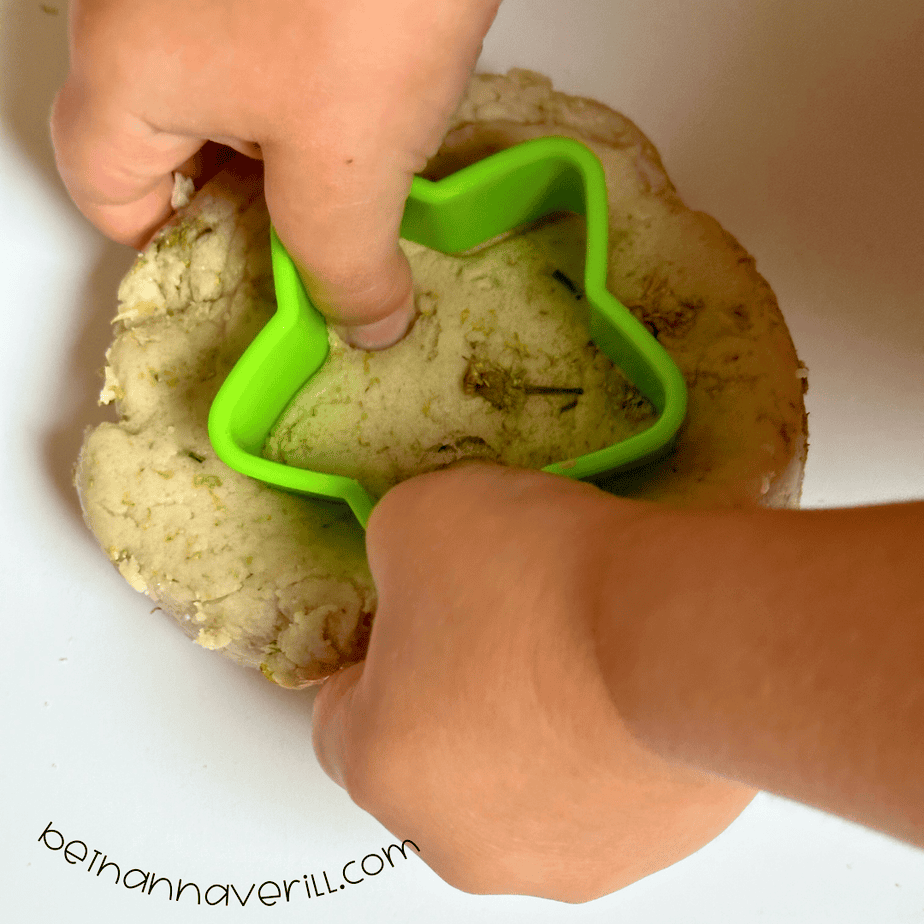
- Then play!
Storing Your Playdough
Keep It Fresh!
To make sure your chamomile playdough stays fresh and soft for future play sessions, proper storage is essential. Think of storing playdough like preserving leftovers – it needs the right conditions to last.
- Airtight Containers: Place the playdough in airtight containers or resealable plastic bags to prevent air exposure, which can dry it out.
- Cool and Dry Place: Store the containers in a cool, dry spot away from direct sunlight, as heat can alter the texture.
- Rehydrate if Needed: If the playdough gets a bit dry, knead in a few drops of water or a little oil to bring back its pliability.
Creative Ways to Use Chamomile Playdough
Chamomile playdough isn't just great for its pleasant scent and soothing qualities; it also opens doors to imaginative play and learning for preschoolers. With its calming aroma and soft texture, this unique playdough can transform ordinary playtime into a sensory-rich experience. Whether your goal is to engage your child in sensory activities or to boost their creativity, chamomile playdough has something to offer.
Sensory Play Ideas
Using chamomile playdough for sensory play is a fantastic way to stimulate your preschooler's senses. Its calming scent and pliable texture make it a perfect tool for various activities that engage touch, sight, and smell. Here are a few ways to incorporate it into sensory play:
- Counting and Sorting: Roll out the dough and use small items like beads or buttons to create counting boards or sorting patterns. This activity enhances math skills subtly.
- Nature Imprints: Take a walk outside and gather leaves, small flowers, or twigs. Press them into the playdough to create beautiful nature prints that kids will love exploring with their fingers.
- Texture Exploration: Mix in different materials like rice or small pasta to change the texture of the playdough. Encourage your child to notice the changes and describe what they feel.
Crafting with Playdough
Creativity is much like a muscle—the more you use it, the stronger it becomes. Chamomile playdough can be a child's canvas for exploration and creation. Here are some crafting ideas that can help hone both creativity and motor skills:
- Miniature Gardens: Encourage your child to build tiny gardens with playdough as soil. Add small pebbles, miniature figures, or toy animals to create a playful landscape.
- Story Characters: Help your preschoolers create characters for a story they've invented. They can mold figures or animals from the playdough, bringing their imaginations to life.
- Stamp Art: Use cookie cutters or stamps to create various shapes. Let your child paint these shapes to make colorful stamp art on paper, blending tactile play with artistic creation.
Please Share This Chamomile Flower Playdough Recipe
Your shares are how this site grows and I am sincerely grateful. Know a friend who’d like this? Please share it on Facebook or save it to your favorite kids’ activity board on Pinterest.


