

Sand Slime Recipe for Kids
Some kids bring home shells.
Other kids bring home sand dollars.
Mine? Tries to bring home half the beach. Every. Single. Time.
He would also sleep in the sandbox if I let him.
This sand slime is the perfect compromise.
It means we don't have to shake them upside down to get rid of every grain of sand they stole from the ocean, and it gives them that gritty beach texture they love, but in a stretchy, squishy form that doesn’t clog your vacuum or end up permanently embedded in your car seats. Why is there sand in my purse?
Sand slime is perfect for a beach unit, pretending it's summer, or pretending your husband is still in the Navy and stationed next to a beach you can visit every day . . . or you just need to keep a sensory loving kid busy.

Searching for more beach activities? Check out all these beach themed activities for kids. If you wanted a dough instead of slime, I have an amazing sand play dough that is perfect for your beachy needs.
Why Sand Slime Deserves a Spot in Your Sensory Rotation
We’ve made a lot of slime around here. Glow in the dark slime. Edible slime. Bug slime (yes, really). But this one?
This one feels like summer in a bowl, and for that, it's one of my favorites.
I can't tell you why I love summer so much. I enjoy the silence when my kids are off at school, and I love long, quiet walks with my dog, Anchovy. But I LOVE sand slime.
Here’s why it’s a hit:
- It’s got real sand in it — which is weirdly fun
- My job is actually just, you know, beach.
- The texture is unlike any other slime — squishy and gritty all at once
- It gives big sensory payoff without taking over your entire kitchen
What You’ll Need for Sand Slime
Nothing fancy . . . just your usual slime ingredients and some clean sand. You can use play sand, craft sand, or whatever is not from the sandbox your dog just walked through. I never trust the neighbor's cat.
Sand Slime
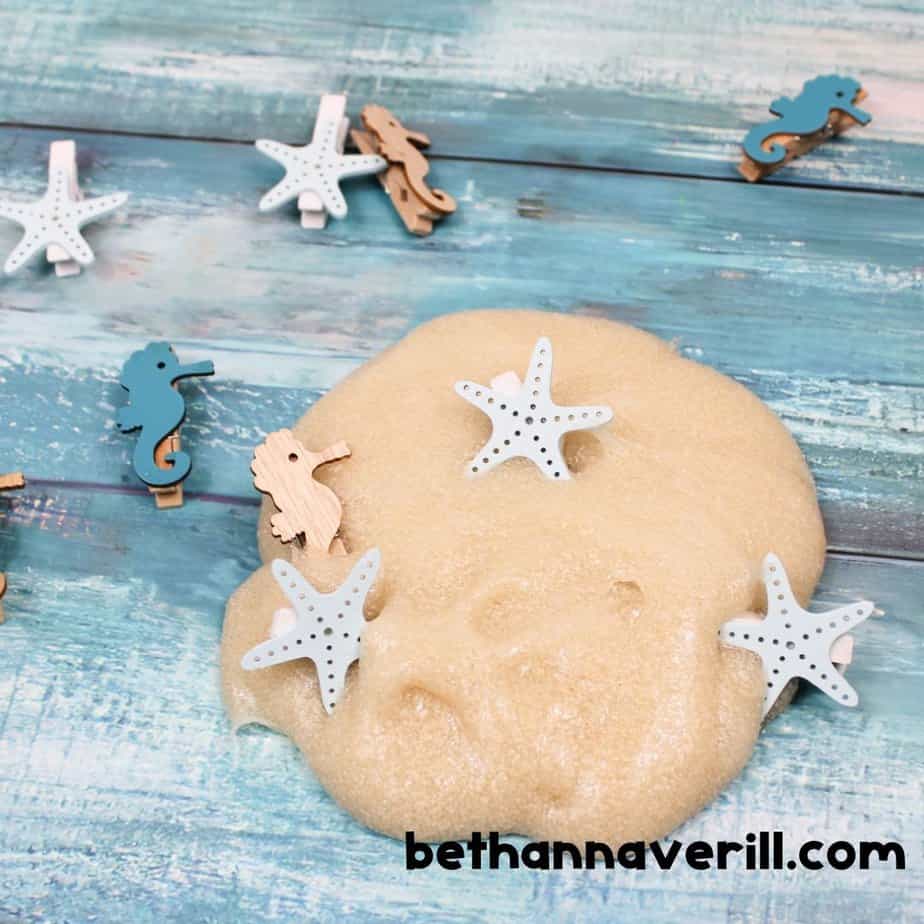
Mix up a batch of beachy sensory fun in a few minutes! This easy sand slime recipe uses simple ingredients and sand for an amazingly unique sensory play.
Materials
- 1/2 C Clear Elmer's Glue
- 1/2 C Warm water
- 1 tsp baking soda
- 1 + 1/2 Tbsp Contact Solution (contact solution should contain Boric Acid)
- 1/4 C sand
Tools
- Bowl
- Spoon
- Measuring cup and spoons
Instructions
- Gather all the supplies needed.
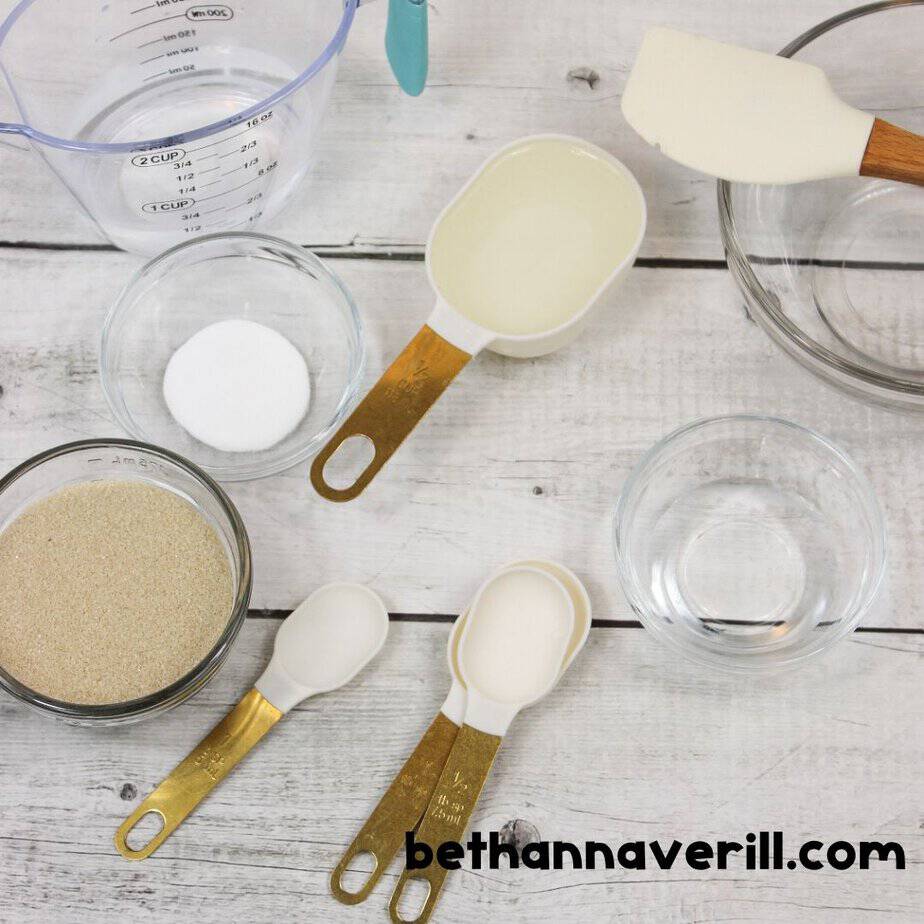
- Pour warm water into the bowl

- Add baking soda and stir until mixed.
- Add the clear glue to the baking soda mixture and stir.
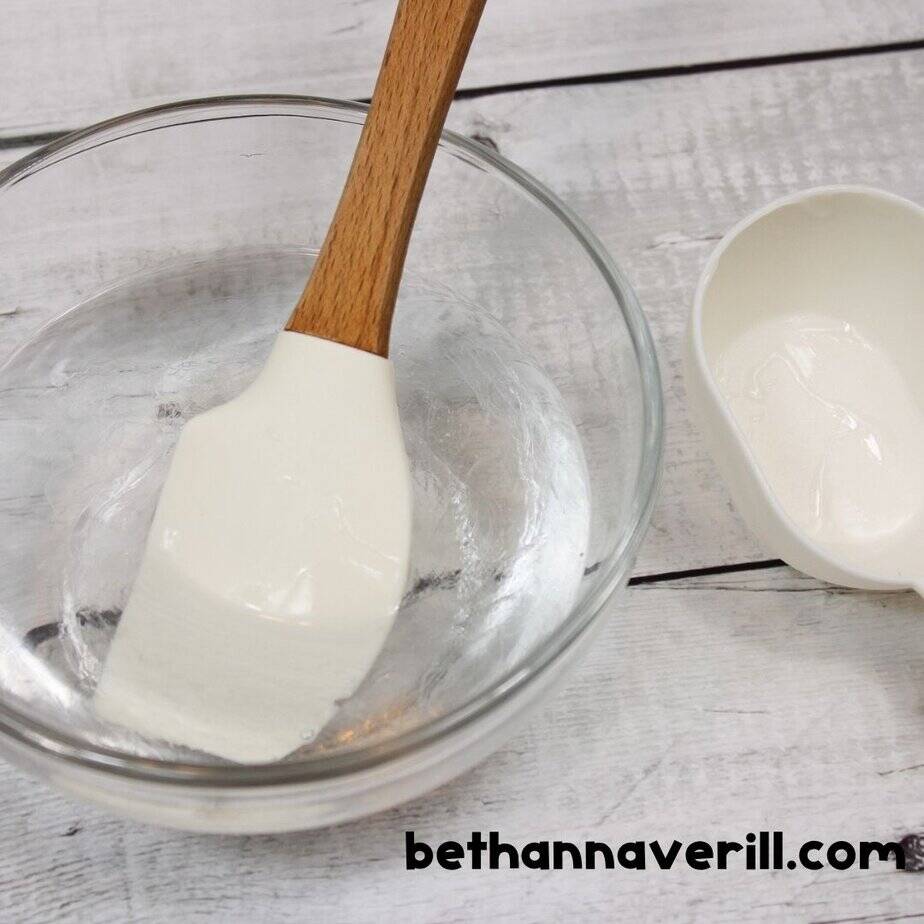
- Mix in sand and stir until all the way incorporated.

- Knead contact solution into the slime until it's no longer sticky and pulls away from the sides of the bowl.
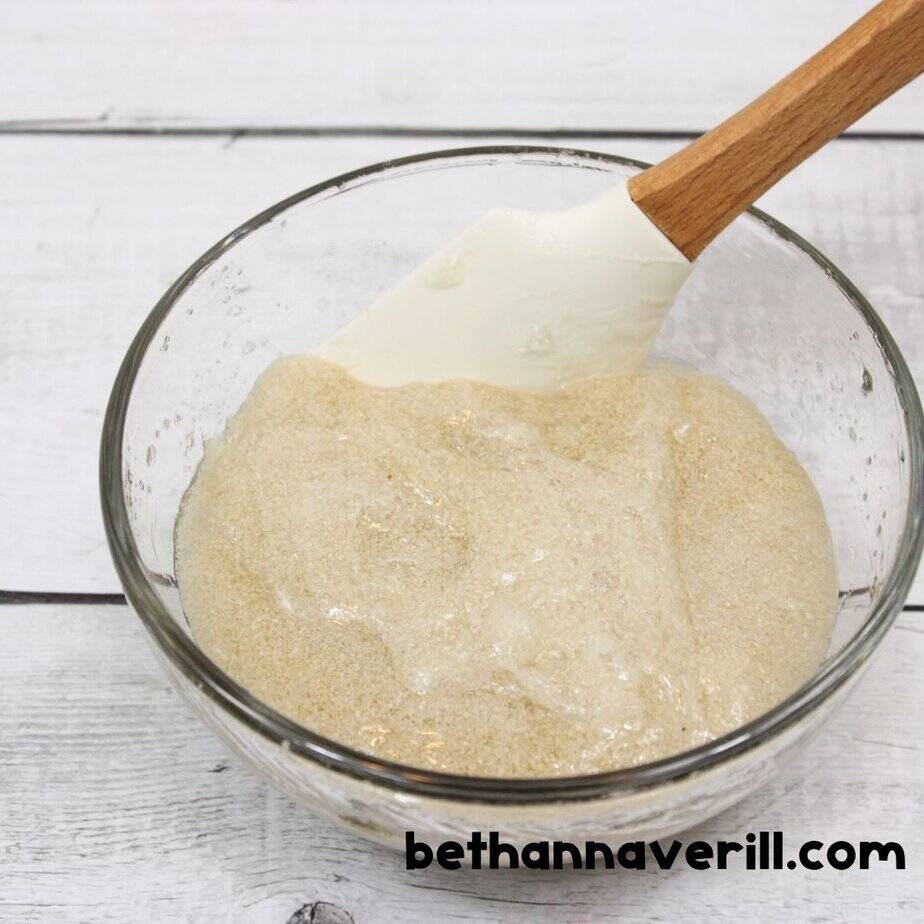
- You may need to knead to incorporate all the ingredients well.
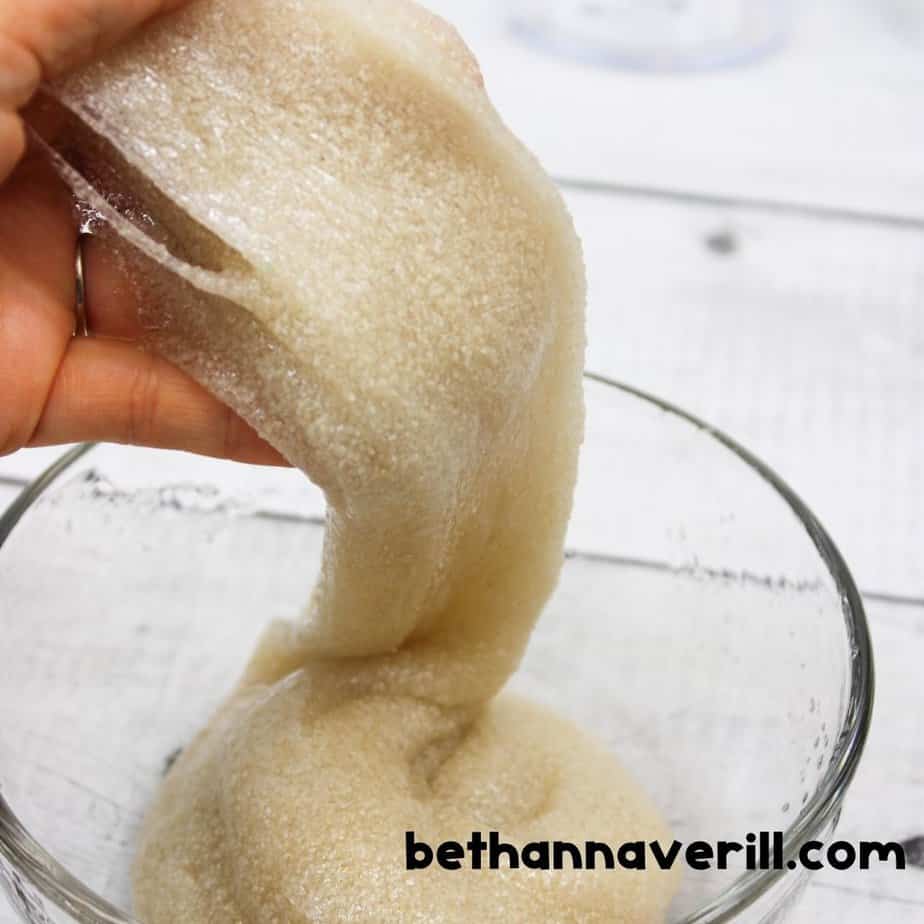
- Enjoy
Notes
Slime can be stored in a resealable ziplock baggie or an airtight plastic container.
Why Slime is the Perfect Sensory Activity for Kids
I love how many different skills slime helps kids work on. Working on the texture, stretch, and using those tiny muscles in their hands really gives them a fine motor muscle workout.
Fun Ways to Use Sand Slime (Beyond Just Squishing)
- Ocean Animal Rescue: Bury tiny sea creatures or shells and let kids dig them out
- Mini Beach Scene: Add a drink umbrella, a shovel, maybe a toy flamingo if you’re feeling extra
- Texture Showdown: Compare sand slime to regular slime. Ask: Which feels smoother? Which is stretchier?
- Imagination Station: Pretend it’s a construction site, a desert, or the inside of a volcano — kids are weirdly good at this
- Add some letter beans: Make it a fun sensory bin for finding the letters of their name.
Safety Tips and Cleanup Advice
Playing with themed slime is as exciting as it sounds, but it’s important to make sure everyone is safe.
Take a few precautions and set up a plan for cleanup, so everyone focuses on the fun instead of accidental hiccups.
Ensuring Safe Play
Making and playing with slime can be super fun and overstimulating, especially for kids. However, given some of the ingredients involved, you really have to be ready for anything.
Here’s how you can keep things safe for everyone:
- Supervise Playtime: ALWAYS supervise children while they’re making or playing with slime.
- Designate a Safe Area: Keep the activity in a space that’s easy to clean, like a kitchen table lined with a protective cover or a craft area. It minimizes stress for you and mess for your home.
- Know Ingredients: Review the ingredients list for potential allergens. If your child has sensitive skin or allergies, double-check to ensure nothing will trigger a reaction.
Cleaning and Storage
Once the fun winds down, it’s time to clean up.
Don’t worry—this part doesn’t have to be a chore. A few simple steps can save you a headache later.
- Wipe Surfaces Immediately: If slime lands on your table, walls, or floors, wipe it up right away with a damp cloth. Tackle it quickly before it dries to avoid leaving annoying residue.
- Trash Disposal: Never wash leftover slime or glue down the sink! It can clog your drains. Instead, toss excess into the trash.
- Small Tools, Big Difference: Plastic scrapers are amazing for getting stuck-on slime off non-porous surfaces. Just be gentle to avoid scratches.
- Use White Vinegar for Residues: For areas where the slime stubbornly sticks (like your favorite rug—yes, it happens), a little white vinegar can work magic. Apply a small amount with a clean rag and gently rub the residue away.
The best advice? Don’t let the messiness overshadow the fun. By staying prepared, you can wrap up slimy playtime in the easiest way possible.
Please Share This Sand Slime Recipe How to
Your shares are how this site grows and I am sincerely grateful. Know a friend who’d like this? Please share it on Facebook or save it to your favorite kids’ activity board on Pinterest.


