

Gluten-Free Playdough
Ever wondered if playdough could be a problem for your child with gluten sensitivities? For many parents, the answer is yes. Gluten can lurk in unexpected places, even in that colorful dough your little ones love to squish and mold. Enter gluten free playdough—a safe, fun alternative for kids who need to avoid gluten.

Craving new playdough recipes? Find 30+ playdough recipes in this blog post.
Crafting gluten free playdough at home isn't just about safety; it's also about creating a sensory-rich activity that engages little minds. Plus, making it yourself can be a rewarding and creative process. You can control the ingredients, ensure they're safe, and even customize colors and scents. Whether you're looking for the best gluten free play dough recipe or just want an easy and fun DIY project, this guide covers it all. Ready to make playtime safe and joyful? Let's get started!
What is Gluten Free Playdough?
Gluten free playdough is a creative and safe alternative to traditional playdough for kids with gluten sensitivities. While it looks and feels like regular dough, it swaps out wheat-based flour for gluten-free ingredients. This makes it perfect for children who need to avoid gluten due to allergies or Celiac disease. Unlike store-bought playdough, which often contains gluten, gluten free playdough is crafted with safe components, allowing more kids to join in the fun of squishing, shaping, and sculpting without worry.
Why Choose Gluten Free?
Why would you choose gluten free playdough? For many parents, it’s all about keeping their kids safe from gluten-related issues. Here’s why you might consider it:
- Allergies: Some children have gluten allergies or Celiac disease, which means even a small amount can cause health problems.
- Dietary Restrictions: In households where gluten is avoided, including in food and play items, gluten free playdough ensures peace of mind.
- Inclusivity: Having a gluten-free option means everyone can play together, without leaving anyone out due to dietary needs.
Benefits of Homemade Gluten Free Playdough
Making your own gluten free playdough at home comes with its own set of advantages. Here’s why you might prefer going the DIY route:
- Cost Savings: Creating playdough at home can be cheaper than buying it. With basic ingredients from your pantry, you can mix up a batch without breaking the bank.
- Customization: When you make your own, you can choose the colors, scents, and textures your child loves. It's easy to add a drop of essential oil or a dash of glitter to make it extra special.
- Safety Control: You have complete control over the ingredients, ensuring there are no hidden allergens that might affect your child.
Ingredients for Gluten Free Playdough
Crafting your own gluten free playdough is not only fun but also ensures peace of mind, especially for parents of preschoolers dealing with gluten sensitivities. Customizing your ingredients lets you tailor texture and color without the worry of hidden gluten. Let's dive into the essential components to make the best gluten free playdough.
Gluten Free Flour Options
Choosing the right gluten free flour is key to achieving the perfect consistency for your playdough. Here are a few options you might consider:
- Rice Flour: This is a popular choice because it has a neutral color and is readily available. It provides a smooth texture, which is perfect for molding and shaping.
- Cornstarch: Known for its soft and pliable qualities, cornstarch can be mixed with other flours to improve elasticity, making it essential for creating the softest playdough.
- Tapioca Flour: Adds elasticity and is a fantastic binder, helping to prevent crumbling. It's a little like the glue that holds everything together in your dough.
- Potato Starch: For a drier texture, potato starch can be used. It absorbs moisture well, which helps create a firm yet flexible dough.
Experimenting with different combinations can lead to exciting textures. Why not mix a bit of tapioca with rice flour or throw in some cornstarch for elasticity? It's like a science experiment with a colorful outcome!
Coloring Your Playdough
Once you've nailed down your flour base, it's time to add some color. Whether you prefer natural or synthetic options, choosing the right coloring can make your playdough extra special.
- Natural Options:
- Turmeric for a sunny yellow.
- Beet juice for shades of pink or red.
- Spinach juice gives an earthy green.
- Blueberries can create beautiful purples and blues after being boiled and strained.
- Synthetic Options: If you're looking for more vibrant or diverse colors, food coloring gels or liquid dyes are great. They provide a range of colors not easily achieved with natural options.
It's important to note, a little goes a long way! Adding colors can feel like an art project; with every drop, you decide the intensity of the shade. Your kids will love crafting their rainbow of personalized playdough colors.
How to Make Gluten Free Playdough
Ready to get crafting? Find the instructions below!
Gluten Free Playdough

Creating your own gluten free playdough at home is easier than you might think. Not only is this a fantastic hands-on activity for little ones, but it’s also an opportunity to ensure your playdough is free from gluten, ideal for those with sensitivities.
Materials
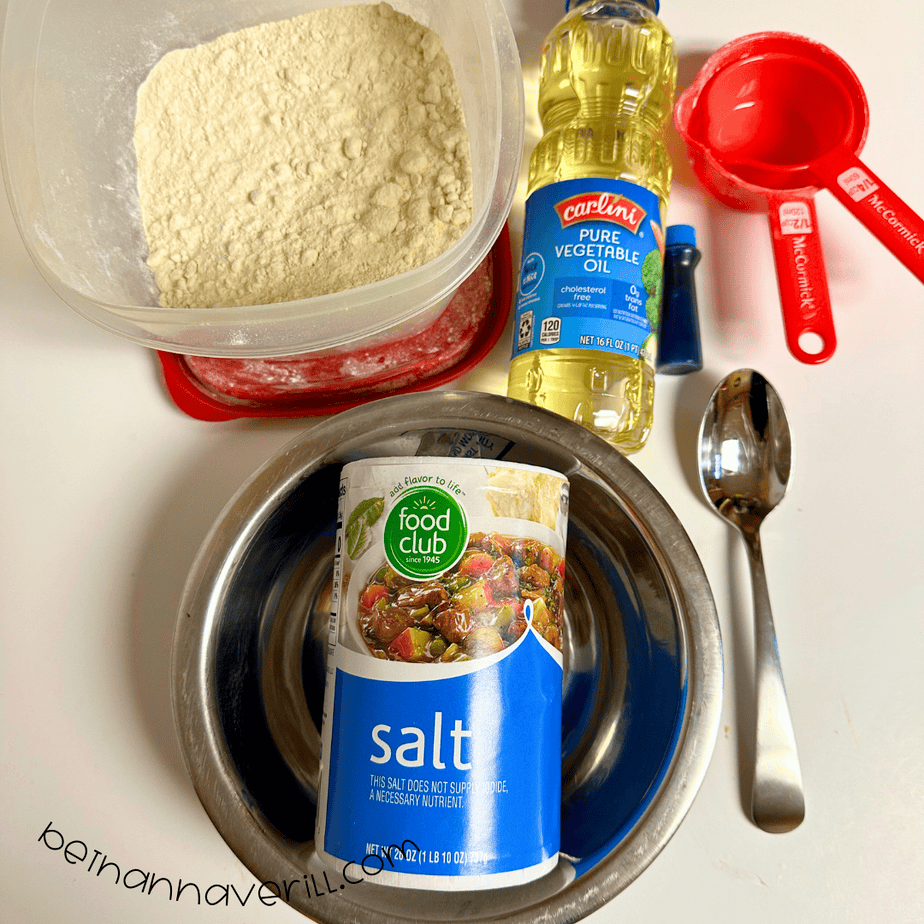
- 1/2 cup rice flour
- 1/4 cup cornstarch
- 1/4 cup salt
- 1 tablespoon oil (vegetable or coconut oil work well)
- 1/4 cup water
- Food coloring (optional)
Tools
- Mixing Bowl
- Mixing Spoon
- Measuring Cups
Instructions
- Gather your supplies.
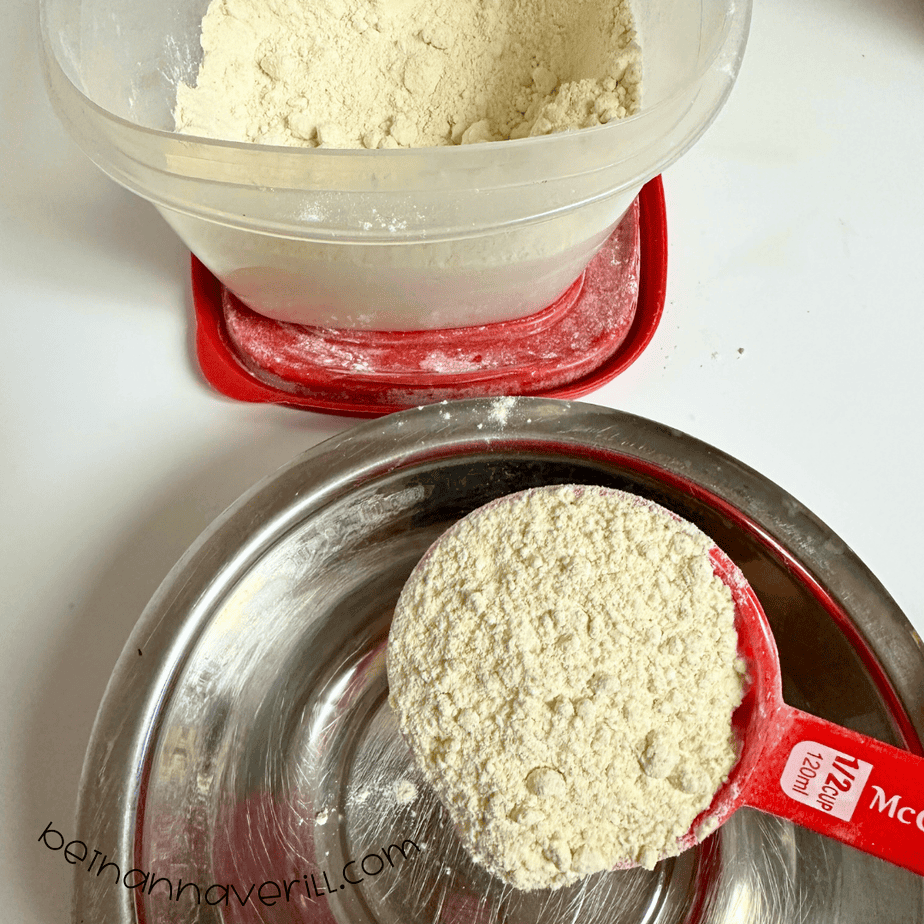
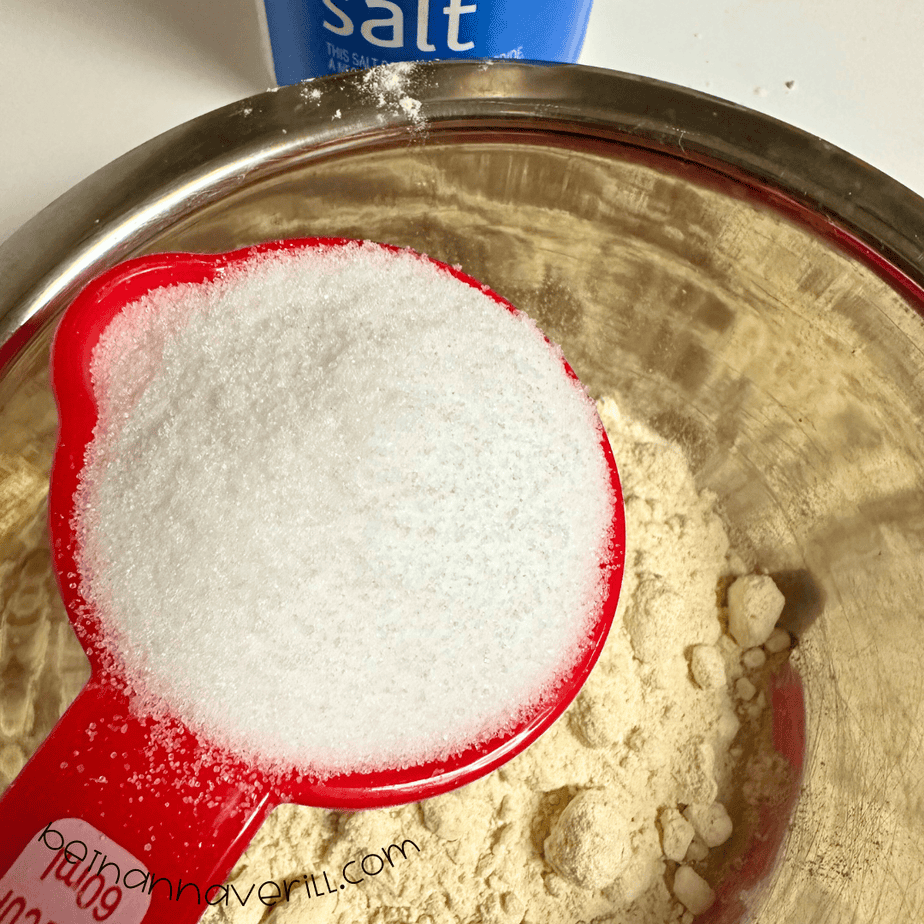
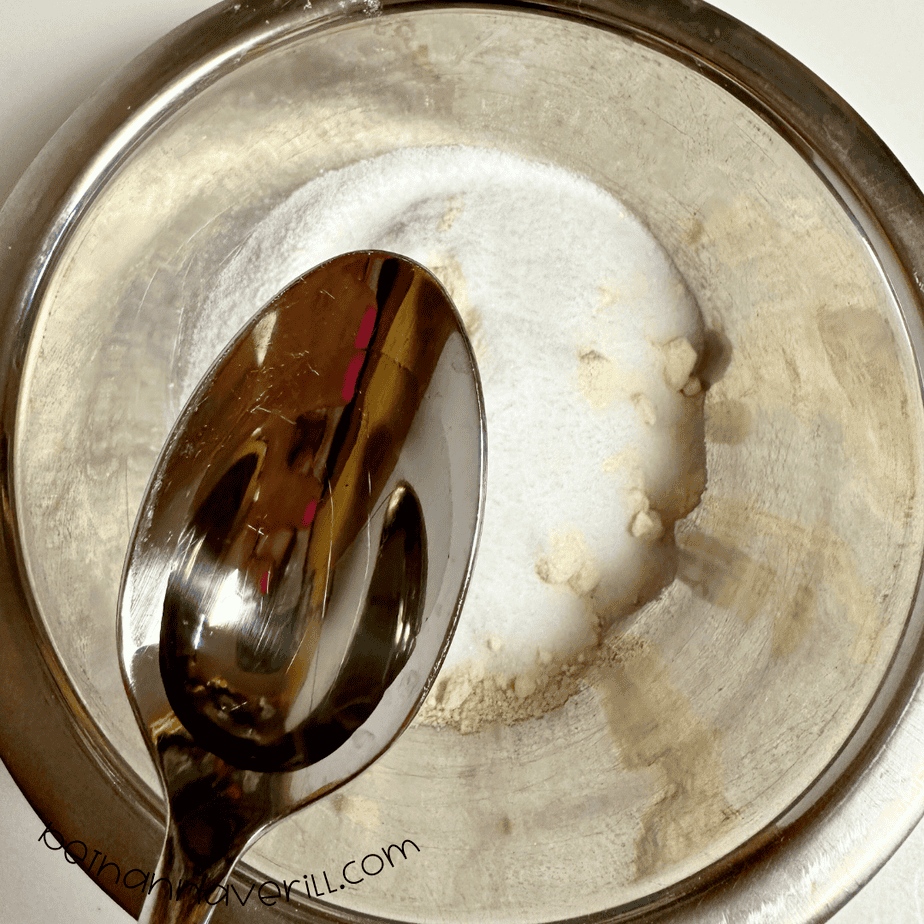
- In a large bowl, combine the rice flour, cornstarch, and salt. Stir well to ensure they're evenly mixed.
- Slowly pour in the oil and water, stirring constantly to avoid lumps. If you're using food coloring, add a few drops until you reach your desired shade. This can be a fun part for kids, as they experiment with different colors.
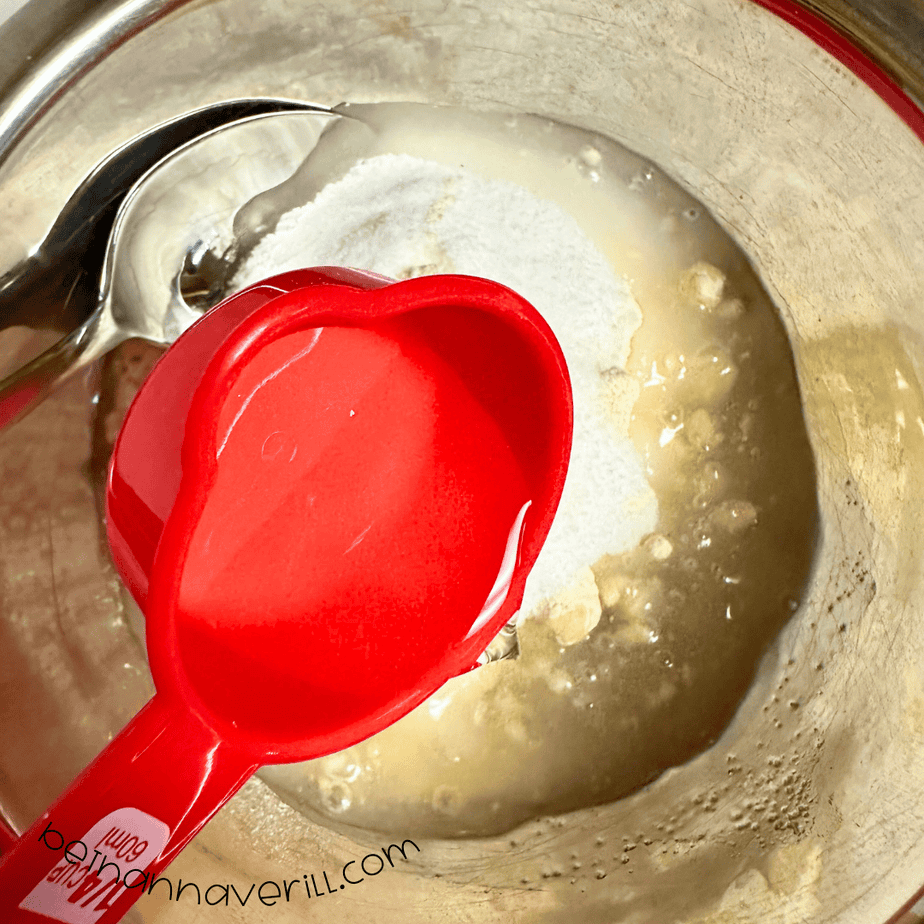
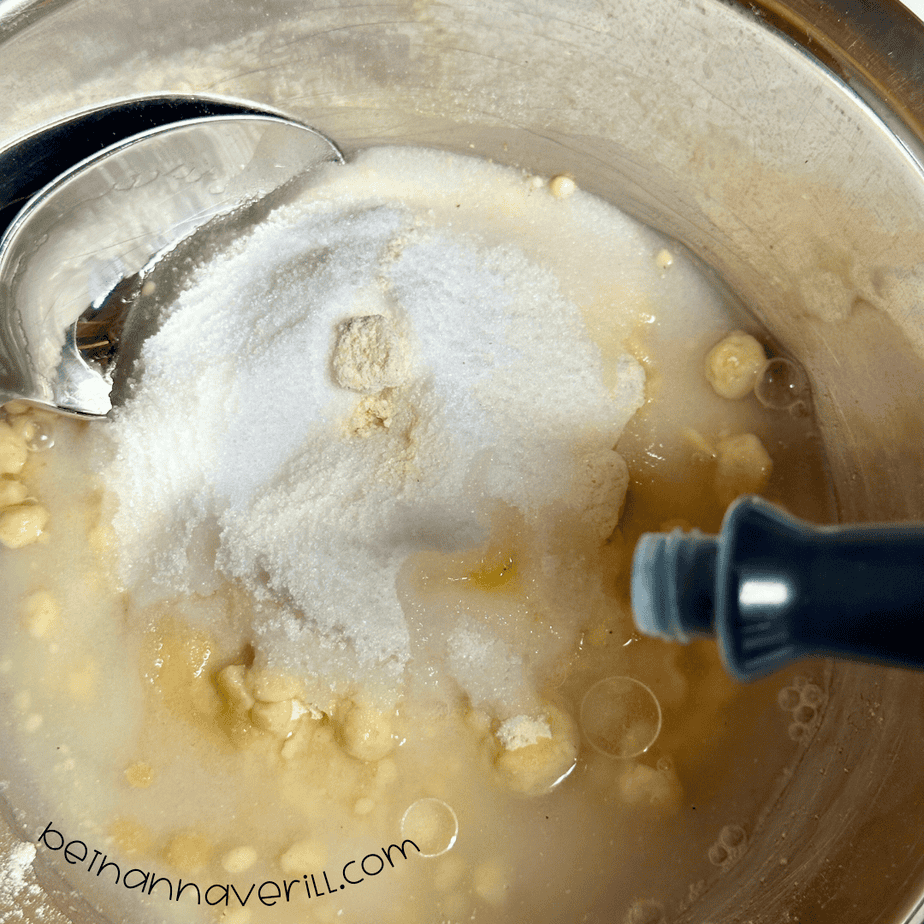
- As the mixture starts to thicken it will form a ball. Once it's no longer sticky to the touch and pulls away from the sides of the bowl, it's ready.
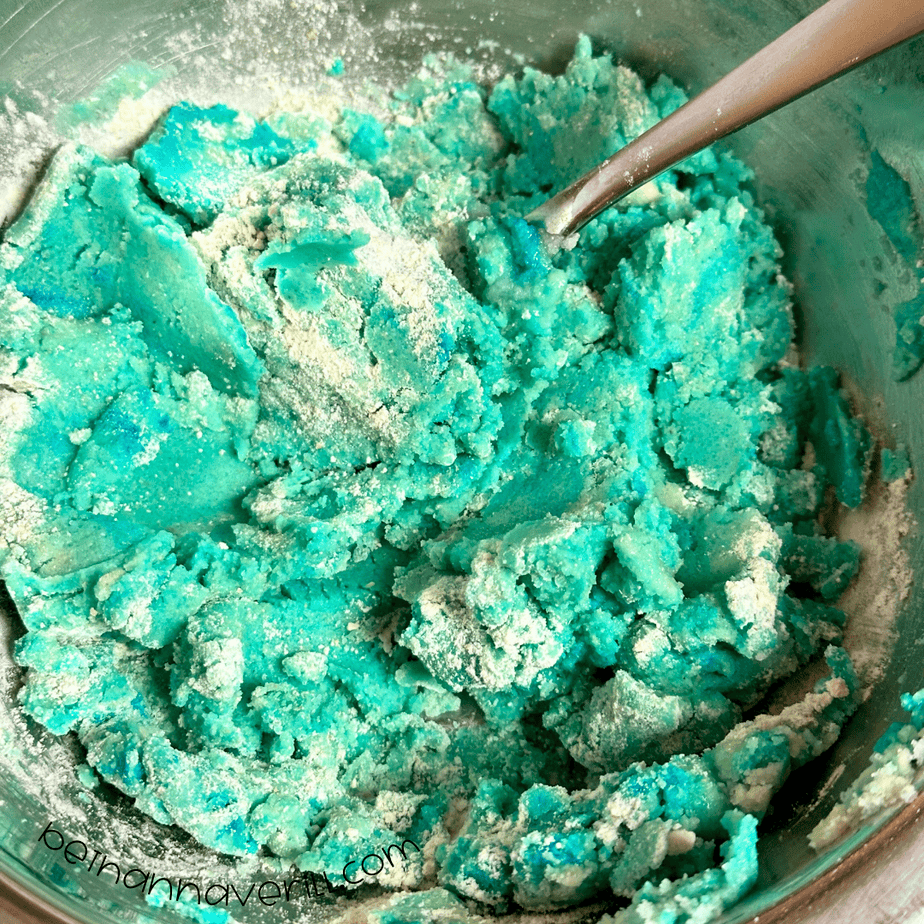
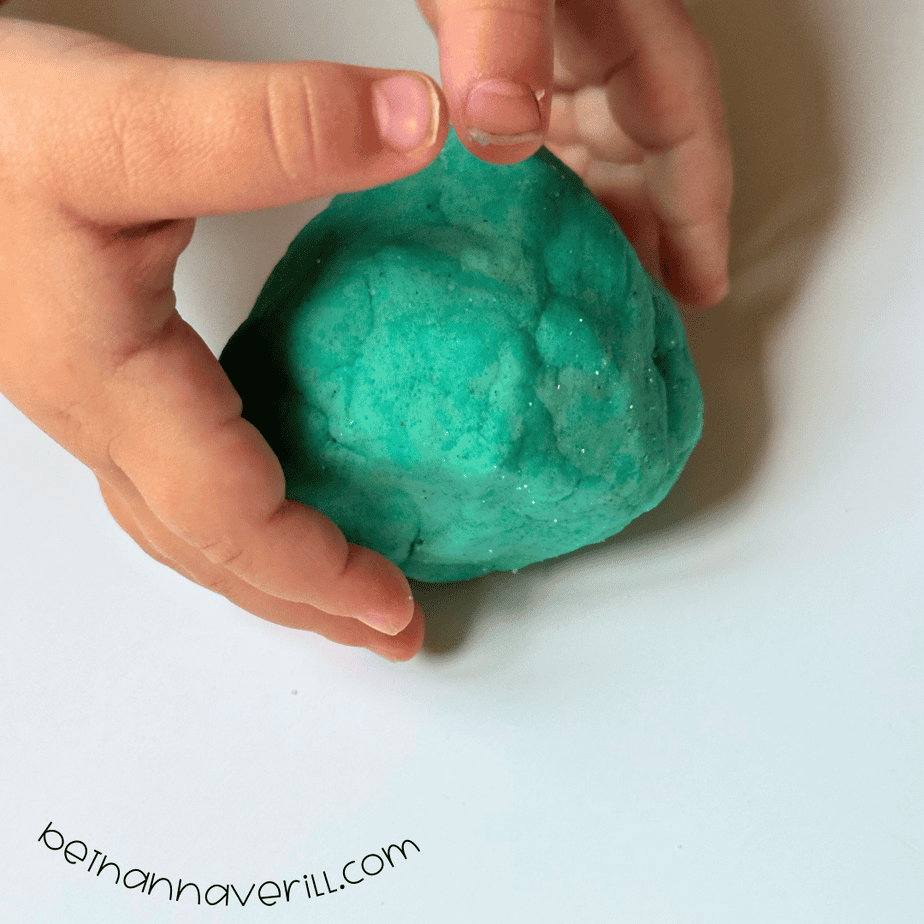
- Knead it until smooth. If the dough is sticky add more flour, if it is too stiff then slowly add more water.
- Then play!
Storage Tips
Proper storage is key to keeping your gluten-free play dough fresh and ready for playtime. Here are some quick tips:
- Use Airtight Containers: Store the playdough in an airtight container or resealable plastic bag. This keeps it from drying out and extends its play life.
- Refrigerate: For best results, keep the playdough in the refrigerator. This not only preserves it longer but also helps maintain its texture.
- Monitor Moisture: If the dough feels dry, knead a few drops of water into it. Conversely, if it's too sticky, dust it lightly with rice flour and knead until pliable.
Creative Ways to Use Gluten Free Playdough
Finding fun and educational ways to use gluten free playdough can enhance your child's playtime. This homemade playdough, safe for those with allergies, offers endless possibilities for creativity and learning. Dive into these activities and watch your child's imagination and skills grow.
DIY Playdough Toys
Creating toys with gluten free playdough is simple and enjoyable. You don't need fancy equipment—just your hands and a little imagination. Here are a few ideas:
- Playdough Animals: Encourage your child to shape their favorite animals, whether it's a playful puppy or a wild tiger. This can be a great opportunity to teach them about different animals and their habitats.
- Miniature Food: Kids can craft tiny versions of their favorite foods, from pizzas to cupcakes. This not only sparks creativity but can also be a fun way to discuss healthy eating habits.
- Decorative Stamps: Use household items like bottle caps or forks to create patterns in the playdough. These stamps can be used over and over for unique designs.
- Imaginative Faces: Cut out facial features such as eyes, noses, and mouths, then mix and match to create funny characters. It's a fun way to explore emotions and expressions.
Learning and Development Activities
Playdough is more than just fun—it’s a tool for learning and development. It can help enhance various skills in a playful manner:
- Fine Motor Skills: Rolling, squishing, and shaping playdough strengthens little fingers, improving dexterity and hand-eye coordination.
- Color and Number Learning: Use playdough to form numbers and letters—or even spell out simple words. It's a hands-on activity that makes learning feel like play.
- Math Concepts: Create different shapes to introduce basic geometry ideas. Talk about the number of sides on a square or the curve of a circle.
- Storytelling: Have your child create scenes or characters out of playdough and narrate a story. This encourages language development and creativity.
- Measurements and Comparisons: Roll out snakes of different lengths and compare them. Ask questions like “Which is longer?” or “Can you make one shorter?”
Frequently Asked Questions about Gluten Free Playdough
Playing with dough isn’t just fun; it’s also a great learning experience for preschoolers. But if allergies are a concern, you might be wondering about the safety and make-up of gluten free playdough. Let's address some of the most common questions parents have.
Is Gluten Free Playdough Safe for All Children?
When it comes to safety, gluten free playdough is a safe bet for most kids, especially those with gluten sensitivities or celiac disease. It's crafted with ingredients that are free from gluten, making it a suitable option for children who must avoid this protein.
However, like any playdough, it's important to follow a few safety guidelines:
- Age Appropriateness: It's best suited for children aged 2 and above. Younger children might be tempted to taste it, so supervision is key.
- Allergy Awareness: While it avoids gluten, check other ingredients like corn or rice flour for potential allergens.
- Play Space: Use it in a clean area to avoid contamination with gluten-containing materials.
Just like a lifeguard watches over swimmers, parents should keep an eye out to ensure playtime is both fun and safe.
Can I Make Gluten Free Playdough Without Cream of Tartar?
Yes, you can create gluten free playdough without cream of tartar, and you might be surprised that you don't need any fancy replacements. A simple ingredient like salt can perform a dual role in enhancing the texture and preserving the dough. Here's a breakdown of how it works:
Texture Enhancement: Salt contributes to the dough's consistency, making it firmer and more elastic. Its granular texture can help with the pliability of the dough, ensuring that it doesn't become too stiff or too soft.
Preservative Function: Salt acts as a natural preservative. It helps extend the shelf life of the playdough by inhibiting the growth of mold and bacteria.
So, why not give it a try? Gather your ingredients and create a playful masterpiece with your kids!
Please Share This Gluten Free Playdough Recipe
Your shares are how this site grows and I am sincerely grateful. Know a friend who’d like this? Please share it on Facebook or save it to your favorite kids’ activity board on Pinterest.


