

Easy Cinnamon Playdough Recipe Without Cream of Tartar
Is your child's sensory play missing that magical touch? Enter cinnamon playdough—an aromatic, safe, and creative way to engage preschoolers in hands-on fun. Not only does it offer a delightful scent, but it also stimulates the imagination and soothes tiny hands and minds.
Crafting a cinnamon playdough recipe without cream of tartar is simple, allowing you to involve your kids in both the making and the playing. This playdough can transform learning activities, making them more interactive and memorable. Imagine your child exploring shapes, letters, or even simple math, all while indulging their senses in this cinnamon-scented adventure.

Need more ways to play with playdough? Find 30+ playdough recipes in this post!
Get ready for an educational journey that combines fun, texture, and smell, enriching your little one's playtime with endless possibilities. Dive into the world of sensory play and watch your child's creativity flourish!
Cinnamon Playdough Recipe
Are you looking for a fun and educational way to engage your preschooler? Making cinnamon playdough is a fantastic activity that combines the joy of crafting with learning. This homemade playdough is not only easy to make, but it also offers a sensory-rich experience with its soft texture and comforting cinnamon scent. Plus, the recipe is designed to be straightforward, so let's dive in and get started.
Supplies Needed
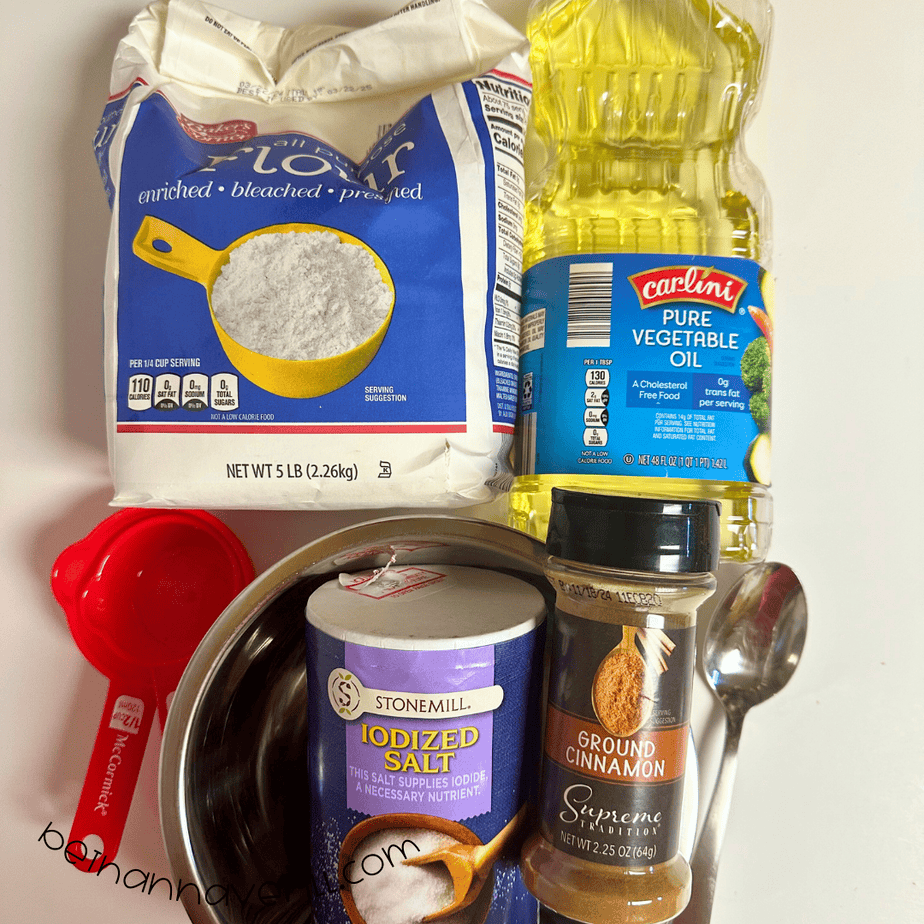
Before you begin, gather all the necessary supplies. Having everything on hand will make the process smooth and enjoyable. Here's what you need to make cinnamon playdough without cream of tartar:
- 1 cups of all-purpose flour – This forms the base of your dough.
- 1/4 cup of salt – Adds texture and helps with dough consistency.
- 1 tablespoon of ground cinnamon – Provides a delightful scent and color.
- 1 tablespoon of vegetable oil – Keeps the dough smooth and playable.
- 1/4 cup of water – Adjust the amount as needed to reach the right dough consistency.
- Food coloring (optional) – For an added burst of color, although the cinnamon itself offers a warm, rich brown hue. If you decide to add additional colors remember that the brown coloring of the cinnamon will affect the outcome.
Step-by-Step Instructions
Ready to get crafting? Find the instructions below!
Cinnamon Playdough Recipe

Making cinnamon playdough is a delightful activity that doubles as a creative play tool and a learning experience for preschoolers. With a rich scent and a soft texture, it's perfect for engaging little hands and minds. Whether you're crafting this playdough for a rainy day indoors or integrating it into educational play, these steps will guide you through the process effortlessly.
Materials
- 1 cup of all-purpose flour
- 1/4 cup of salt
- 1/2 cup of water
- 1 tablespoon of vegetable oil
- 1 tablespoon of ground cinnamon
Tools
- Mixing Bowl
- Mixing Spoon
- Measuring Cups
Instructions
- Gather your supplies.
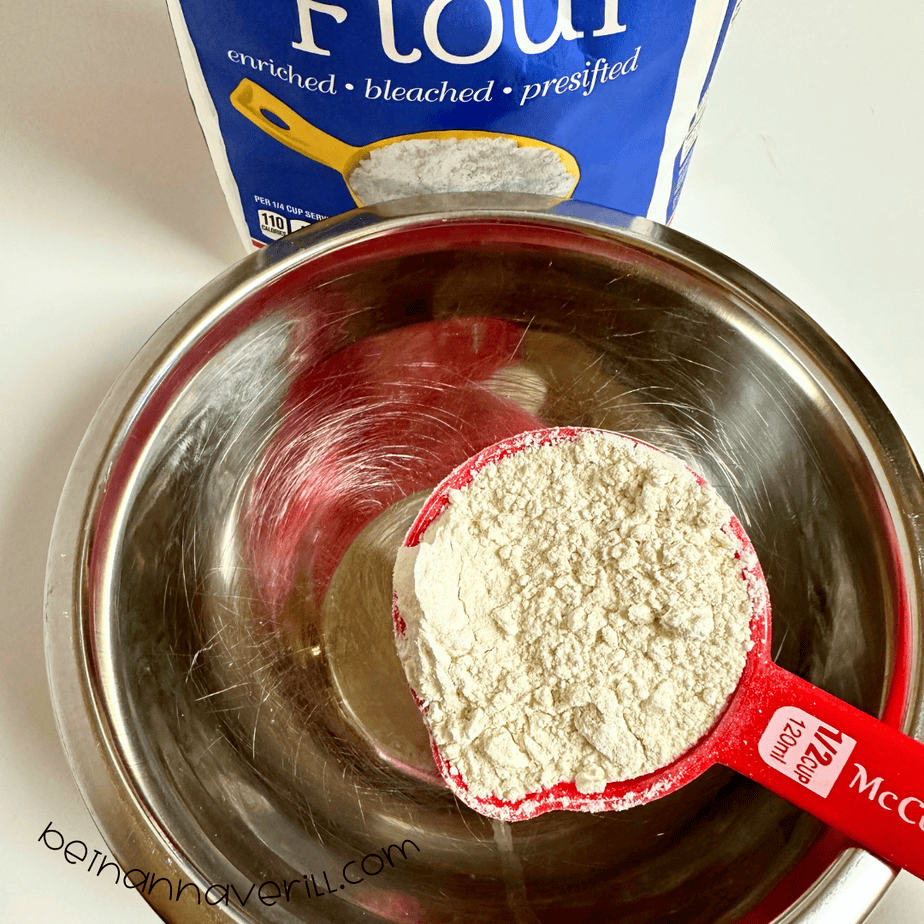
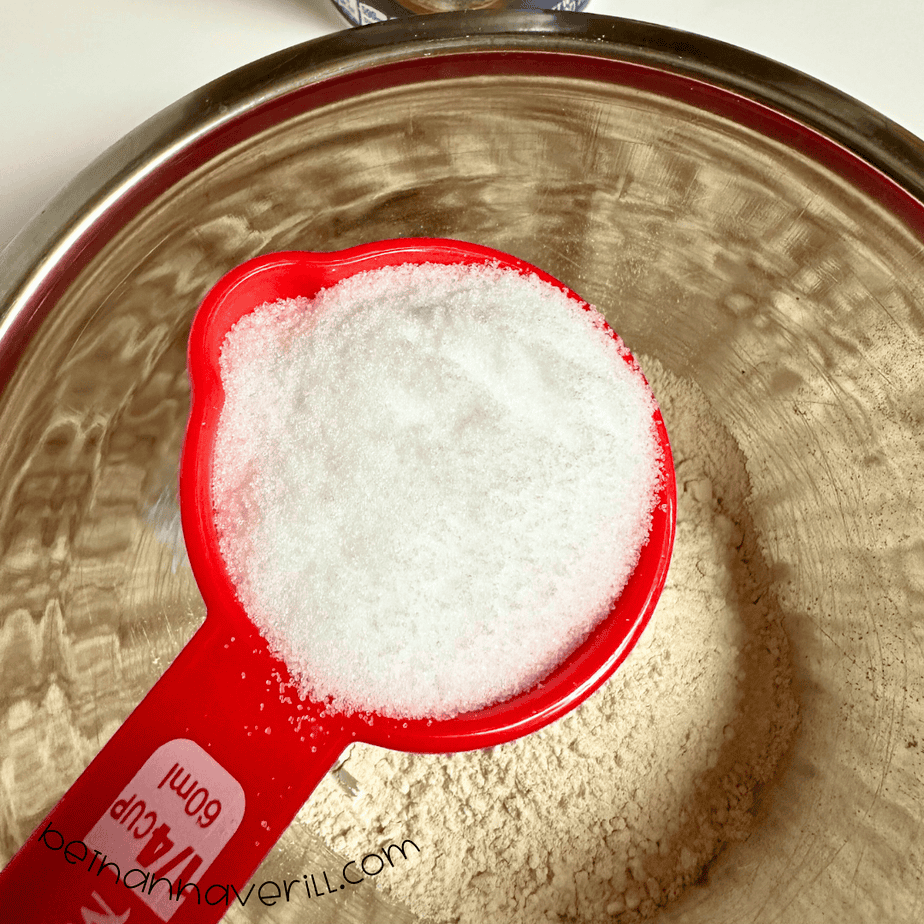
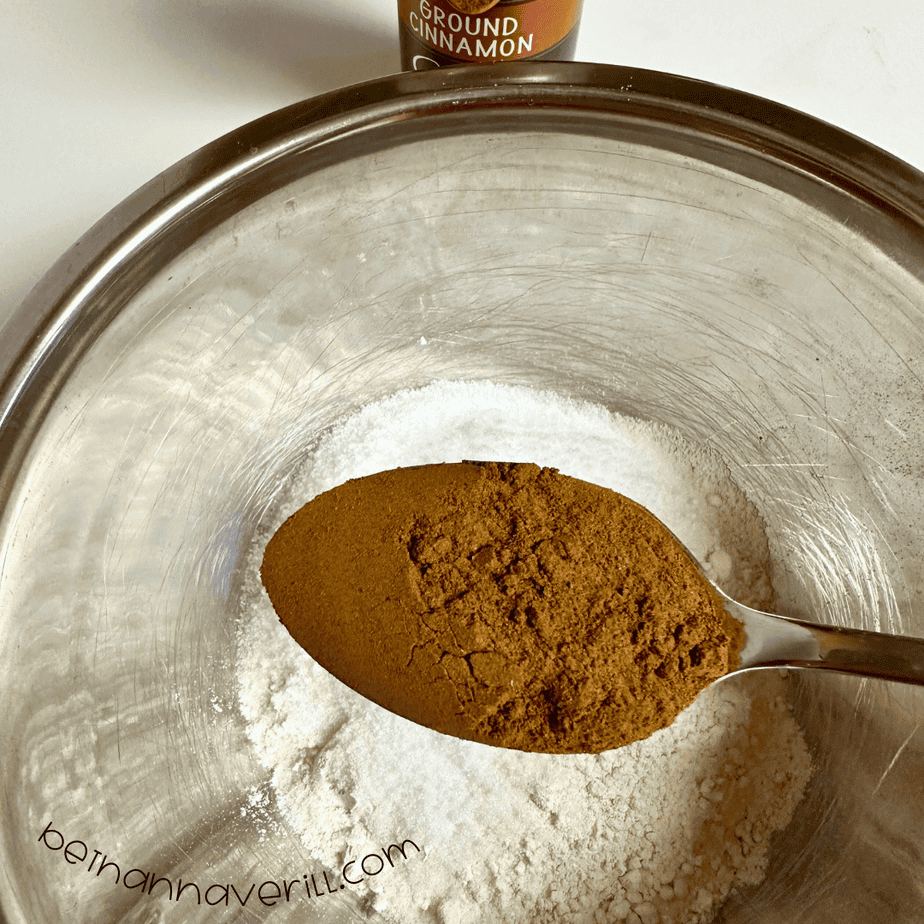
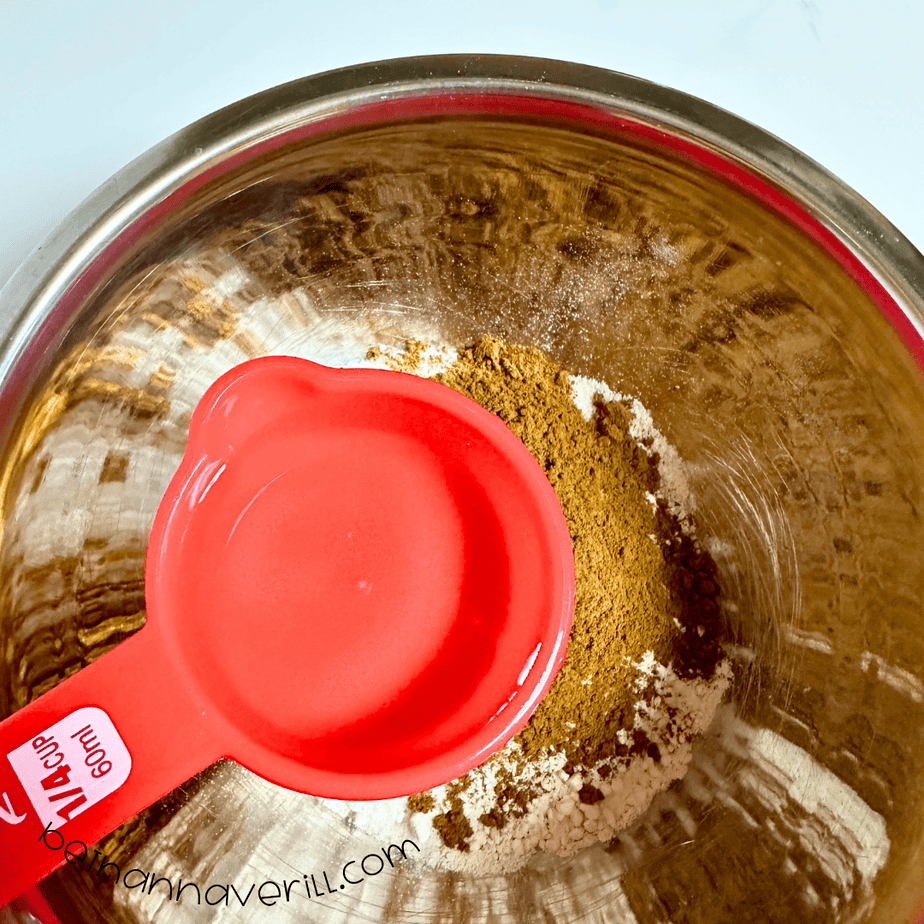
- In a large bowl, mix 1 cup of flour with 1/4 cup of salt and 1 tablespoon of cinnamon. Stir until they are well-blended. This combination not only gives the playdough its structure but also its delightful cinnamon scent.
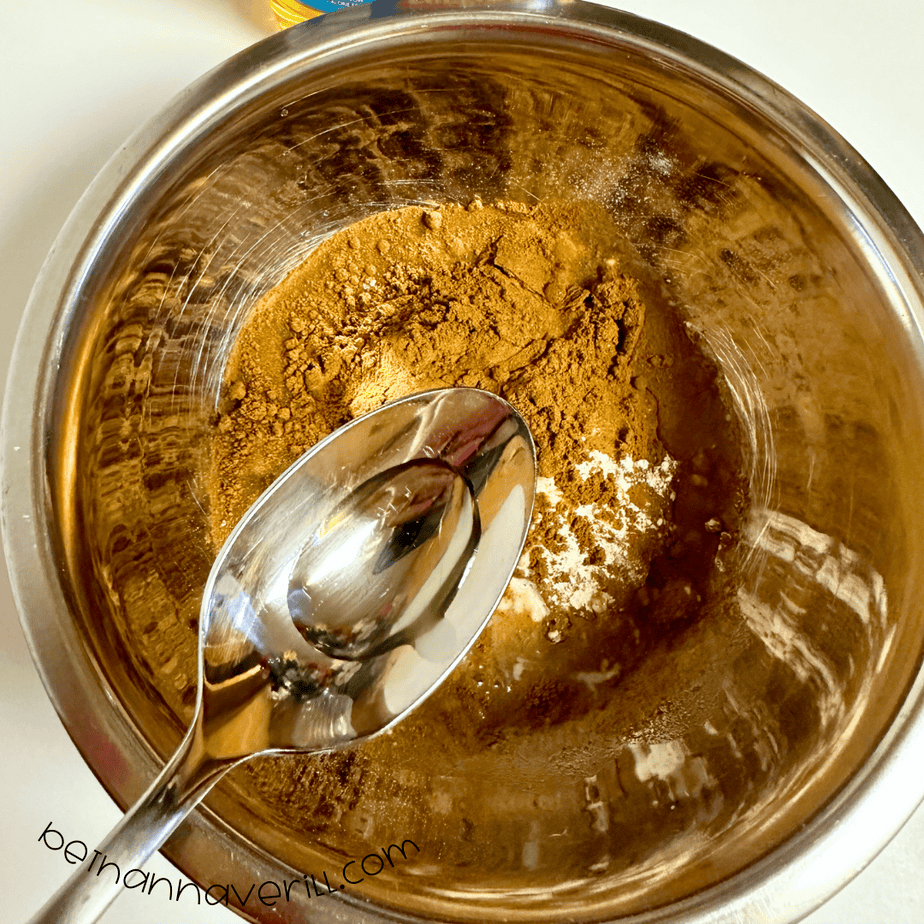
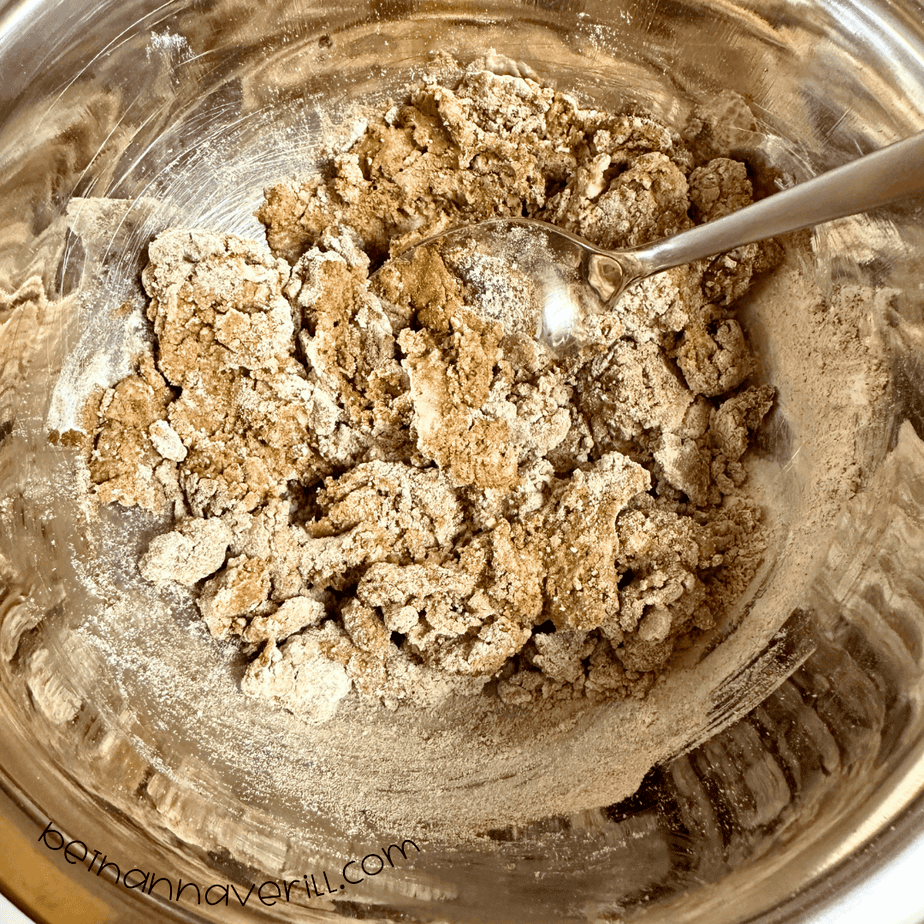
- Next, introduce the wet ingredients. Pour 1/2 cup of water and 1 tablespoon of vegetable oil into the dry mix. Stir slowly and steadily until the mixture forms a dough. If the dough seems too sticky, sprinkle in a little more flour; if it's too dry, add a small amount of water. This flexible approach helps achieve the perfect consistency.
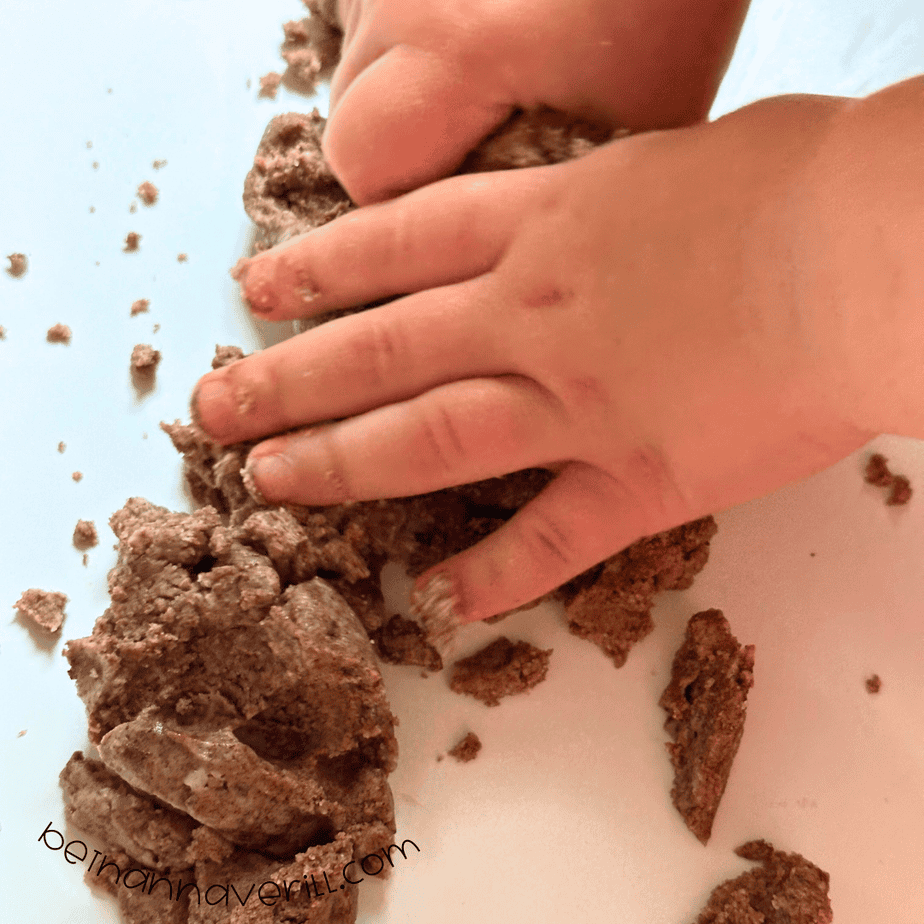
- Once everything is mixed, it's time to knead. Much like kneading bread dough, work the mixture with your hands until it's smooth and pliable. This process is a fun sensory activity for kids, giving them a tactile experience as they press and fold the playdough. Encourage them to explore the texture and scent, turning the kneading process into a mini educational session about their senses.
- Then play!
Store and Play
After crafting your cinnamon playdough, it's important to store it properly. Keep it in an airtight container or a zip-lock bag to retain its freshness and softness. Stored well, it can last for several days of play.
Educational Activities
Incorporating this cinnamon playdough recipe into educational activities can enhance learning in playful ways. Here are some ideas:
- Letter and Number Creation: Use the playdough to form letters and numbers. This hands-on activity can help preschoolers recognize and remember shapes as they mold each form with their tiny fingers.
- Storytelling Aids: Craft characters or settings from stories you've read together. This visual and tactile experience can assist in improving comprehension and recall.
- Sensory Exploration: Discuss the scent and texture, encouraging descriptions. Use words like “spicy,” “soft,” or “grainy” to expand vocabulary.
Storage and Longevity of Cinnamon Playdough
Cinnamon playdough is a delightful and aromatic tool for both play and learning. When you're making this cinnamon playdough recipe at home—especially if it's a cinnamon playdough without cream of tartar—proper storage will help you keep it fresh and usable for as long as possible. Let's take a look at how to do just that.
Best Practices for Storage
Just like a bear hibernating for the winter, cinnamon playdough needs to be tucked away to stay fresh. Airtight containers are your playdough’s best friend. Here's why:
- Prevents Drying: Exposure to air is a surefire way to end up with dry, crumbly playdough. Keep it soft and pliable by sealing it tight.
- Keeps Out Contaminants: Airtight containers protect the dough from dust and dirt, maintaining a safe play environment for kids.
- Retains Aroma: One of the joys of cinnamon playdough is its scent. An airtight seal preserves this long-lasting aroma, adding to the sensory experience.
When storing, use a container with a secure lid. Think of it like putting leftovers away—you wouldn’t leave the top off spaghetti sauce, would you? The same goes for your playdough masterpiece.
Duration of Usability
You might be wondering, how long will your cinnamon-scented creation stick around? Generally, homemade playdough can last about 2 to 3 months with the right care. Here's how you can make sure it stays fresh:
- Check for Mold: If you see any mold, it's time to toss it. Playdough that's left out or not stored properly can develop spots, signaling it's past its prime.
- Feel the Texture: Is it too sticky or hard? Playdough should feel soft and workable. If it starts to change, consider whipping up a new batch.
- Smell Check: Does it smell as good as when you first made it? A sour or off smell means it's time for a fresh start.
Remember, even a well-kept batch will eventually need replacing. When the signs of spoilage appear, don’t fret—creating a new cinnamon playdough recipe offers another opportunity for fun. Plus, you can incorporate this playdough into educational activities like:
- Math Lessons: Use playdough to shape numbers or solve simple equations.
- Art Projects: Molding animals or shapes can enhance creativity.
- Sensory Experiences: The texture and scent provide a multi-sensory learning moment.
Keeping your cinnamon playdough fresh ensures that your little ones continue to have enjoyable and educational playtime. So, store it right, keep an eye on it, and let the crafting continue!
Ideas for Play with Cinnamon Playdough
Cinnamon playdough is not just a sensory delight; it can also spark creativity and learning in young children. With its warm scent and soft touch, it opens up a world of imaginative play.
Themed Play Sessions
Creating themed play sessions can transform a simple playtime into an exciting adventure. Here's how you can use cinnamon playdough to bring these themes to life:
- Baking Day: Set up a mini-kitchen with tools like rolling pins and cookie cutters. Encourage your child to “bake” their favorite treats. This can also be a great time to talk about kitchen safety or share simple baking recipes.
- Autumn Adventures: Use cinnamon playdough as a base to create leaves, pumpkins, and acorns. Add some dried pasta or small sticks to craft trees and other fall items. The rich scent of cinnamon enhances the feeling of an autumn day, right in your living room.
Learning Activities
Playdough can be a remarkable teaching tool, helping kids grasp fundamental concepts. Here are some fun educational activities using your cinnamon playdough without cream of tartar:
- Number Fun: Roll out the playdough and use number stamps or cookie cutters to press numbers into it. Ask your child to count their favorite toys and match the count to the numbers they create.
- Letter Play: Form letters by shaping the playdough into the alphabet. Encourage your child to spell out their name or simple words, boosting their early reading skills.
- Shapes and Colors: Introduce shapes by cutting the playdough into circles, squares, or triangles. You can also add food coloring to create vibrant hues, teaching color recognition.
With a little creativity and this cinnamon-infused playdough, you can easily turn playtime into a valuable learning experience. It's more than just fun—it's a way to connect with your child as they explore the world around them.
Please Share This Cinnamon Playdough Recipe
Your shares are how this site grows and I am sincerely grateful. Know a friend who’d like this? Please share it on Facebook or save it to your favorite kids’ activity board on Pinterest.


