

15+ Playdough Tray Ideas
What makes playdough trays such a hit with preschoolers? It’s not just about fun, though there’s plenty of that!
Playdough trays inspire creativity, support sensory development, and encourage fine motor skills, making them a favorite among parents, teachers, and kids alike. These simple setups combine hands-on play with learning, keeping little hands and minds engaged. Plus, they’re adaptable for any theme or occasion, offering endless opportunities for exploration!
What Are Playdough Trays?
Playdough trays are a simple yet powerful tool to engage preschoolers in creative, sensory-rich play. These setups combine the timeless appeal of playdough with curated materials designed to spark learning, fine motor skill development, and imagination all at once. Whether you’re looking for an easy activity to keep little hands busy or a way to explore thematic lessons, playdough trays are an ideal choice for parents and educators alike.
Core Components of a Playdough Tray
Creating a functional and engaging playdough tray doesn’t require advanced crafting skills, just a few thoughtful essentials. At its heart, a playdough tray typically includes:
- Playdough: Center stage belongs to playdough itself! Make it more special with a homemade batch like this easy basic playdough recipe.
- Tools: Options like rolling pins, kid-safe scissors, and cookie cutters give children ways to experiment with shapes and textures.
- Loose Parts: Small, safe-to-handle items such as buttons, pom-poms, or nature finds like leaves and acorns. These pieces inspire endless creativity.
- Tray or Container: A shallow tray organizes the materials while keeping play contained and tidy. This simple addition can also be reused for various themes.
The beauty of these core components is how flexible they are. With these staples in place, you have the freedom to swap, add, or customize as you see fit for different themes or holidays. The goal is to give kids a variety of textures and tools that allow them to mold, squish, and imagine freely.
Cognitive Benefits of Playdough Trays
Playdough trays are more than just a fun, squishy activity; they provide a wealth of cognitive benefits for preschoolers. Through play, children can explore, problem-solve, and stretch their creative thinking, all while having a blast. Let’s break down how playdough trays foster young minds.
Developing Early Problem-Solving Skills
Playdough trays are a hands-on opportunity for kids to think critically and tackle challenges. When faced with the variety of tools and materials in a tray, children instinctively engage in problem-solving. How do you make a ball? How can you stick pom-poms to pieces of dough? These small challenges require exploration and experimentation, processes that are critical for cognitive development.
Kids will also discover solutions on their own, like realizing they need to press harder with a cookie cutter to get a clear shape. This process of trial and error builds resilience and critical thinking, both essential skills later in life.
Encouraging Creative Thinking
Playdough trays are the ultimate canvas for preschoolers' imaginations. When children are given open-ended materials, their creative minds light up like fireworks, exploring endless possibilities. Will this dough become a pancake or a flower? Should I add beads to the tree I made? Playdough trays give kids a way to translate abstract ideas into tangible creations.
Creative expression is essential for cognitive growth. It helps kids think outside the box, a critical skill not only for artistic pursuits but also for problem-solving and innovation. By allowing them the freedom to explore and make decisions on their own, playdough trays unlock creativity that supports their overall development.
Each play session with playdough offers kids the chance to grow emotionally, socially, and intellectually. And when you incorporate simple tools or themed elements, you expand those opportunities even further.
Physical Benefits of Using Playdough Trays
Through simple, hands-on engagement, kids strengthen essential skills they’ll carry with them into handwriting and beyond. Here are two major physical benefits your little ones gain when using playdough trays.
Strengthening Fine Motor Skills
Playdough trays are a dream activity for building fine motor strength and coordination. By simply squeezing, rolling, and forming shapes with playdough, kids are giving their hand muscles an incredible workout. Think of each action, from pinching to pressing, as strength training for little hands. These repetitive motions prepare children for tasks like holding a pencil, fastening buttons, and even tying their shoes.
Not only do the playdough itself contribute to development, but the tools included in a tray, like cookie cutters, rollers, or small objects to grab and decorate, boost precision and control. For more inspiration on encouraging this kind of play, check out 25+ Ways to Play with Play Dough, which offers activity ideas designed to enrich fine motor practice.
Boosting Hand-Eye Coordination
In addition to fine motor strength, playdough trays are excellent tools for honing hand-eye coordination. When children use tools to shape their creations, they learn to align their hand movements with what their eyes see. For example, cutting a straight line in dough or layering beads onto a round surface requires focus and coordination.
This skill goes far beyond play. Improved hand-eye coordination helps kids with activities like drawing, catching a ball, or even balancing a cup of water without spilling. These simple foundational activities lay the groundwork for navigating the physical tasks of daily life with greater competence and confidence.
Emotional and Social Benefits of Playdough Trays
Playdough trays provide a nurturing environment for kids to express themselves and connect with others, all while benefiting their emotional and social development. Whether calming down after a busy day or engaging in collaborative play, these trays are a go-to tool for fostering important life skills in preschoolers.
Aiding in Emotional Regulation
Emotions can feel overwhelming for preschoolers, but sensory play like using a playdough tray can provide a valuable outlet. The simple act of squishing and molding dough can help calm children, akin to how adults might squeeze a stress ball. This tactile interaction gives kids a chance to release pent-up energy, anxiety, or frustration in a safe, constructive way.
Encouraging Collaborative Play
Playdough trays are a fantastic tool for encouraging teamwork and social interaction among preschoolers. Sharing tools like rolling pins or cookie cutters opens the door to cooperative play, where kids work together to create shared stories and projects. For example, kids might build a garden together using loose parts like sticks, buttons, or floral shapes, a playful lesson in creativity and teamwork.
These trays are also an opportunity to practice communication. When children collaborate, they discuss ideas, negotiate who gets which tool, and occasionally solve minor conflicts. This lays the foundation for essential life skills such as empathy, compromise, and patience.
Playdough Tray Ideas
Here are some creative playdough tray ideas to inspire hands-on fun and learning!
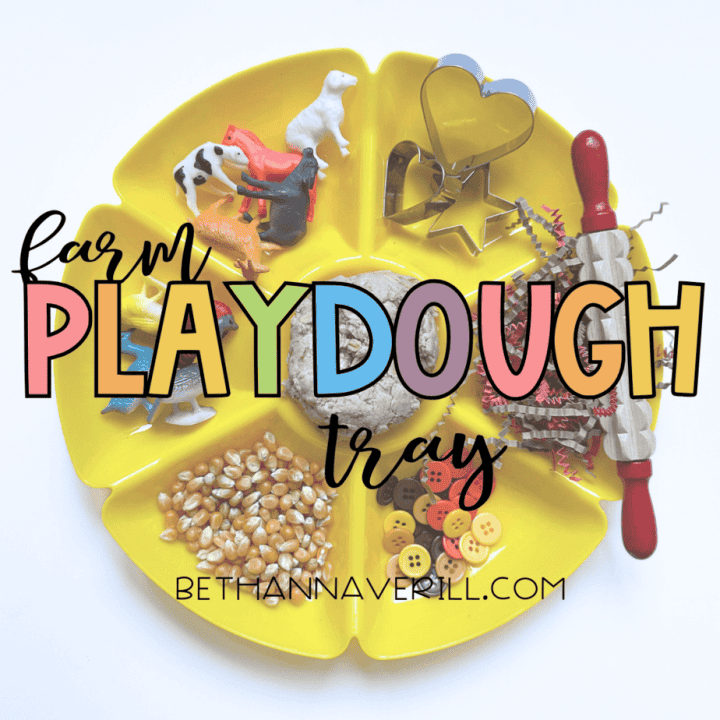
Farm Playdough Tray
A farm-themed playdough tray allows kids to explore agricultural life through creative play. It’s a fun way to introduce concepts like animals, crops, and farm environments while encouraging sensory and fine motor skill development.

Dinosaur Play Dough Tray Activity
A dinosaur-themed playdough tray lets kids dive into prehistoric adventures. It’s a great way to encourage creativity while exploring the fascinating world of dinosaurs.

Ocean Playdough Tray Idea
An ocean-themed playdough tray offers a chance to explore underwater worlds. It’s a fun way for kids to learn about marine life while enjoying sensory play.
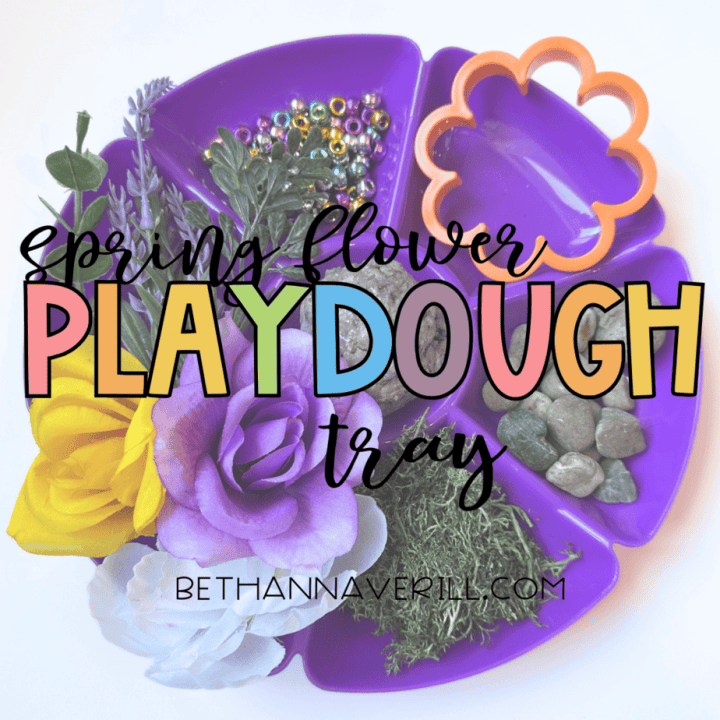
Spring Flower Playdough Tray
A spring flower-themed playdough tray brings the beauty of blooming flowers to life. It’s a delightful way to celebrate the season while fostering creativity and fine motor skills.

Baking Playdough Tray
A baking-themed playdough tray sparks imagination as kids pretend to create their favorite treats. It’s a playful way to encourage creativity and introduce basic baking concepts.
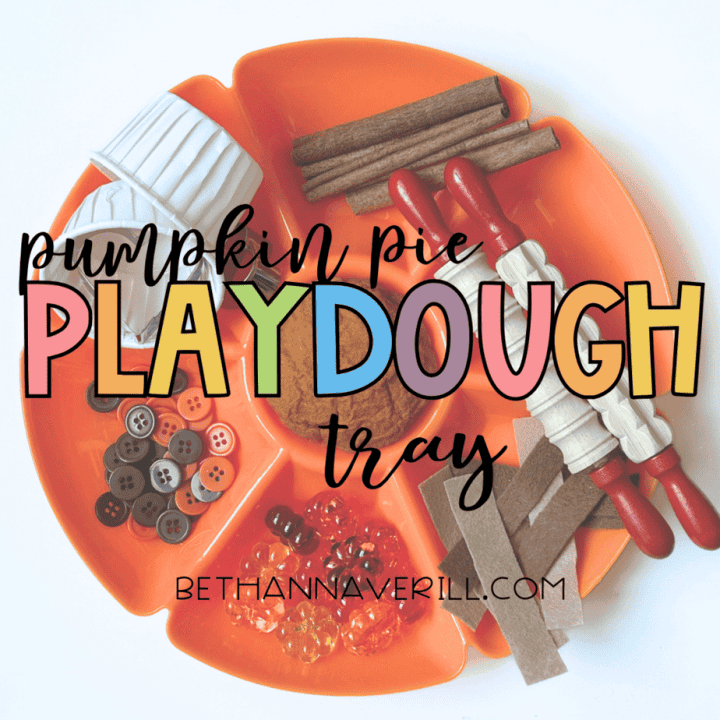
Pumpkin Pie Playdough Tray
A pumpkin pie-themed playdough tray is perfect for autumn fun and festive sensory play. It’s a creative way to engage kids with seasonal themes while boosting fine motor skills.
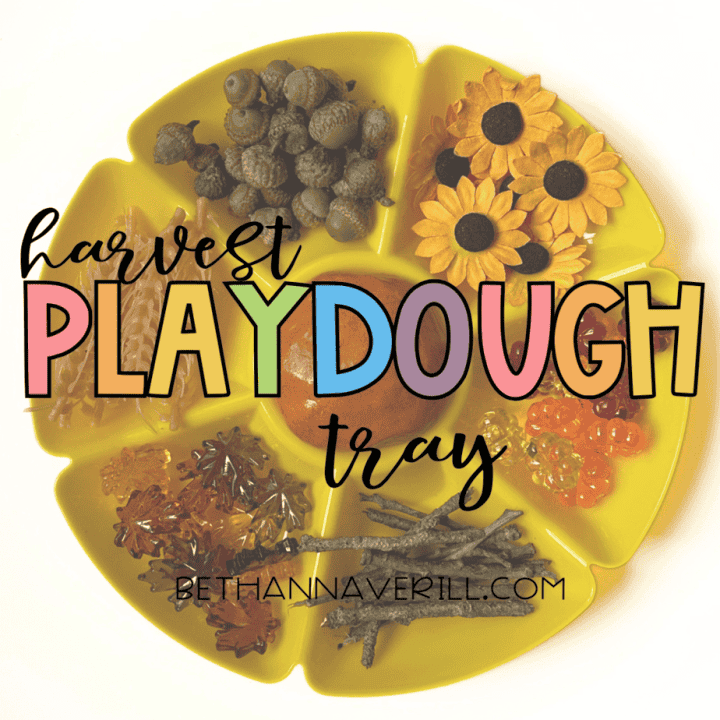
Harvest Playdough Tray
A harvest-themed playdough tray celebrates the bounty of the season. It’s a wonderful way to introduce agricultural themes and encourage creative exploration.
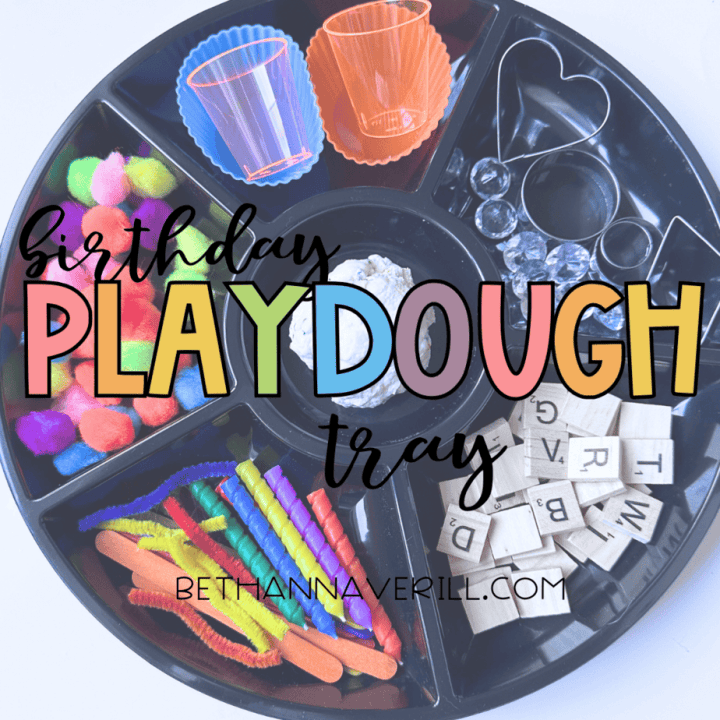
Birthday Playdough Tray
A birthday-themed playdough tray adds excitement to celebrations through creative play. It’s a fun way for kids to explore party themes like cakes, candles, and decorations.
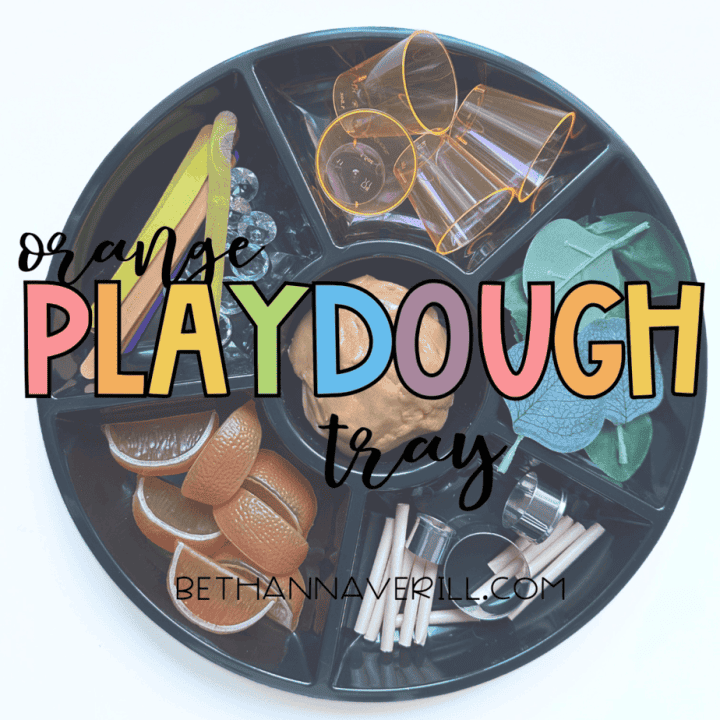
Orange Playdough Tray Idea
An orange fruit-themed playdough tray is a vibrant way to explore the texture and look of oranges. It’s a creative activity that connects play with a fun fruit-inspired theme.
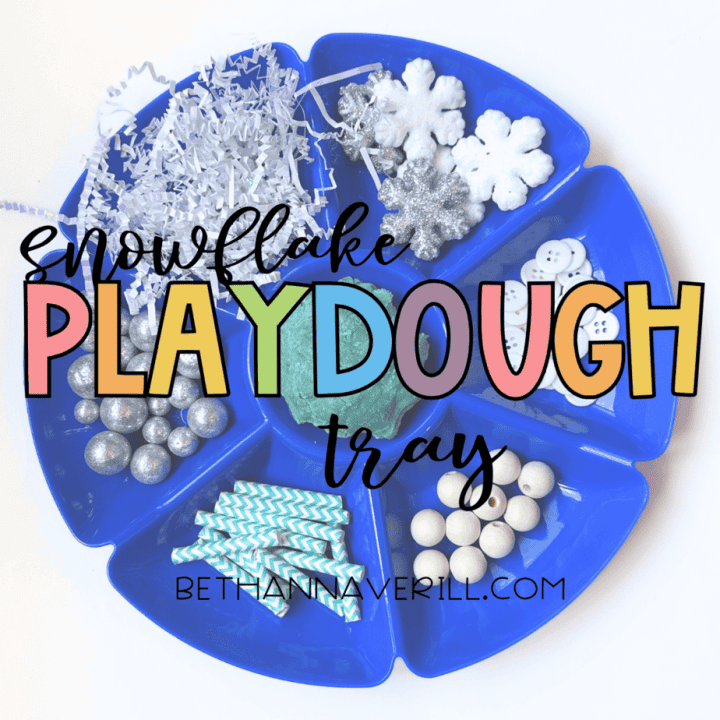
Snowflake Playdough Tray Idea
A snowflake-themed playdough tray captures the magic of winter. It’s a charming way to explore seasonal creativity and fine motor skills through hands-on play.
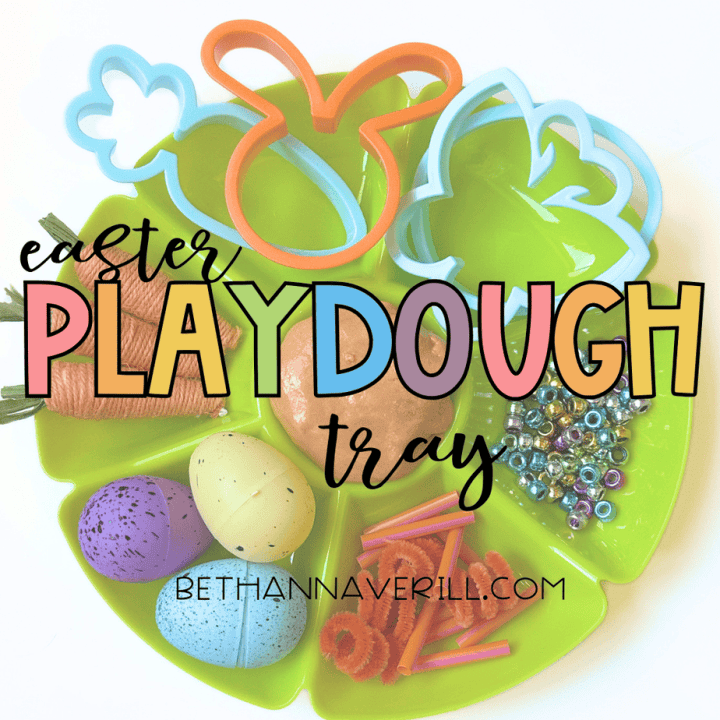
Easter Playdough Tray Idea
An Easter-themed playdough tray is perfect for seasonal fun and creative exploration. It’s a playful way to celebrate with festive themes like eggs, bunnies, and springtime cheer.

Valentine's Day Playdough Tray Idea
A Valentine’s Day-themed playdough tray brings love and creativity together. It’s perfect for celebrating with heart-inspired play and festive sensory fun.

Butterfly Playdough Tray
A butterfly-themed playdough tray inspires creativity while celebrating the beauty of nature. It’s a fun way for kids to explore colorful patterns and life cycles through hands-on play.
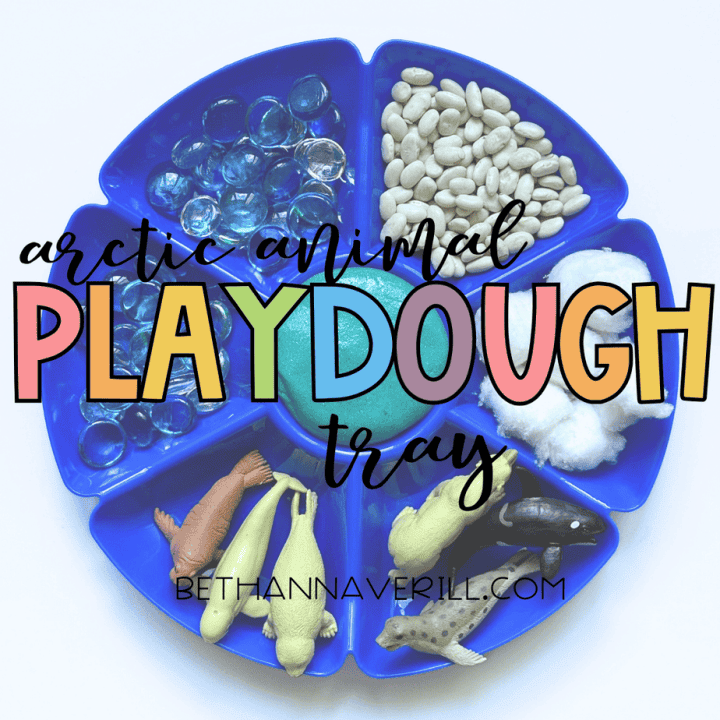
Arctic Playdough Tray
An Arctic-themed playdough tray lets kids explore the icy world of polar animals and frozen landscapes. It’s a creative way to spark curiosity about cold climates and wildlife.

Apple Pie Playdough Tray
An apple pie-themed playdough tray captures the warmth of this classic treat. It’s a fun and sensory way for kids to engage with seasonal themes and imaginative play.
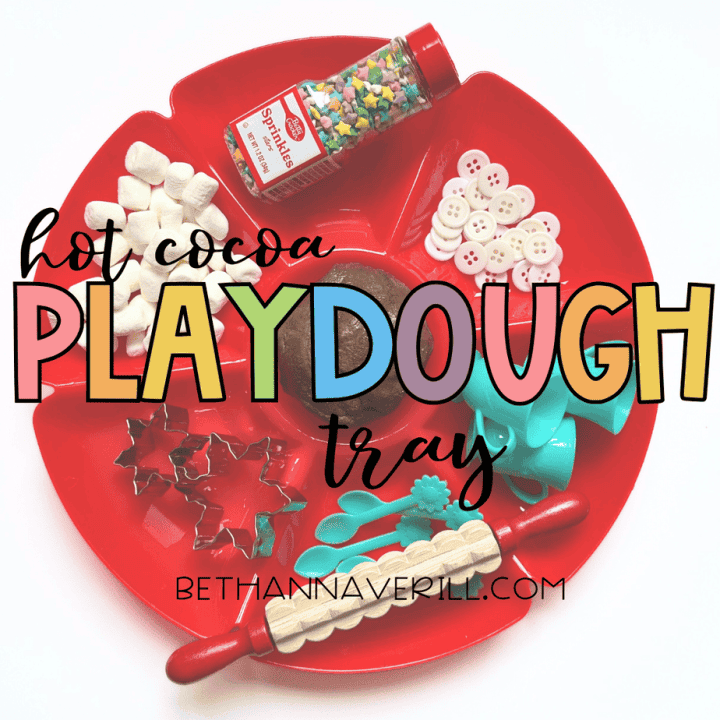
Hot Cocoa Playdough Tray
A hot cocoa-themed playdough tray offers cozy sensory fun with a winter twist. It’s a creative way to inspire play while embracing the comfort of the season.
Please Share These Playdough Tray Ideas
Your shares are how this site grows and I am sincerely grateful. Know a friend who’d like this? Please share it on Facebook or save it to your favorite kids’ activity board on Pinterest.


