

Lowercase c is for Crab Craft for Preschoolers
When it comes to engaging preschoolers in educational and creative activities, crafting can be a fantastic tool. Today, we dive into the world of crafting with a lowercase c crab craft designed specifically for preschoolers. This hands-on and letter-related craft not only enhances learning but also sparks creativity in young minds.

Some of the links below are affiliate links. That means I may make a commission if you click and buy. Please see my full disclosure policy for more information.
Creating a lowercase c crab craft serves as a fun way to introduce preschoolers to the letter “c” while exploring their artistic side. By combining elements of art and education, this activity offers a multidimensional learning experience that can captivate and educate young learners simultaneously.
Engaging preschoolers in letter-related crafts, such as the lowercase c crab craft, can play a significant role in reinforcing early literacy skills. Through this interactive and tactile activity, children can strengthen their understanding of letters in a playful environment, fostering a love for learning from a young age.
How to Teach Preschoolers to Form a Lowercase c
Starting with the letter c is a great way to introduce preschoolers to forming lowercase letters. Teaching them the correct way to make a lowercase c can set the foundation for proper handwriting skills. Below are some tips and techniques on how to effectively teach preschoolers to form a lowercase c.
Demonstrate the Process
Show children how to form a lowercase c by starting in the middle, pulling back, and curving around. Emphasize that the stroke stops before completing a full circle. A helpful visual demonstration is to draw a lowercase c in the air with your hand, breaking down the steps. Encourage children to imitate the motion with their fingers in the air.
Practice Makes Perfect
Provide ample opportunities for preschoolers to practice forming a lowercase c. Use various mediums such as crayons, markers, or chalk to make it engaging. Incorporate fun activities like tracing worksheets or using tactile materials to reinforce the correct formation of the letter. Encourage repetition and praise their efforts to boost confidence.
Engage in Multi-Sensory Activities
Engage children in multi-sensory activities that involve forming the lowercase c. Encourage them to use different sensory stimuli like sandpaper, playdough, or finger painting to create the letter c. By incorporating tactile experiences, you can enhance their learning and make it more memorable and enjoyable.
Positive Reinforcement
Offer positive reinforcement and encouragement as children practice forming a lowercase c. Celebrate their achievements and progress, no matter how small. Creating a supportive learning environment fosters enthusiasm and motivates preschoolers to continue practicing and improving their handwriting skills.
Utilize Educational Resources
Explore online resources, such as educational videos and printable worksheets, to supplement your teaching. Incorporate interactive tools that demonstrate the formation of lowercase c in a fun and engaging way. Utilize resources that offer a variety of activities to cater to different learning styles and keep preschoolers excited about learning.
Teaching preschoolers to form a lowercase c is a fundamental step in their handwriting development. By incorporating hands-on activities and positive reinforcement, you can make the learning process enjoyable and effective. Encourage practice and exploration to help preschoolers master the art of forming lowercase letters like c.
How to Make This C is for Crab Craft with Preschoolers
Ready to get crafting? Find the instructions below!
Lowercase C is for Crab Craft

Materials
- Construction Paper (red and beige)
- Glue
- Marker
- Template
Tools
- Scissors
Instructions
- Gather your supplies.

- Begin by using scissors to carefully cut out the crab template provided.
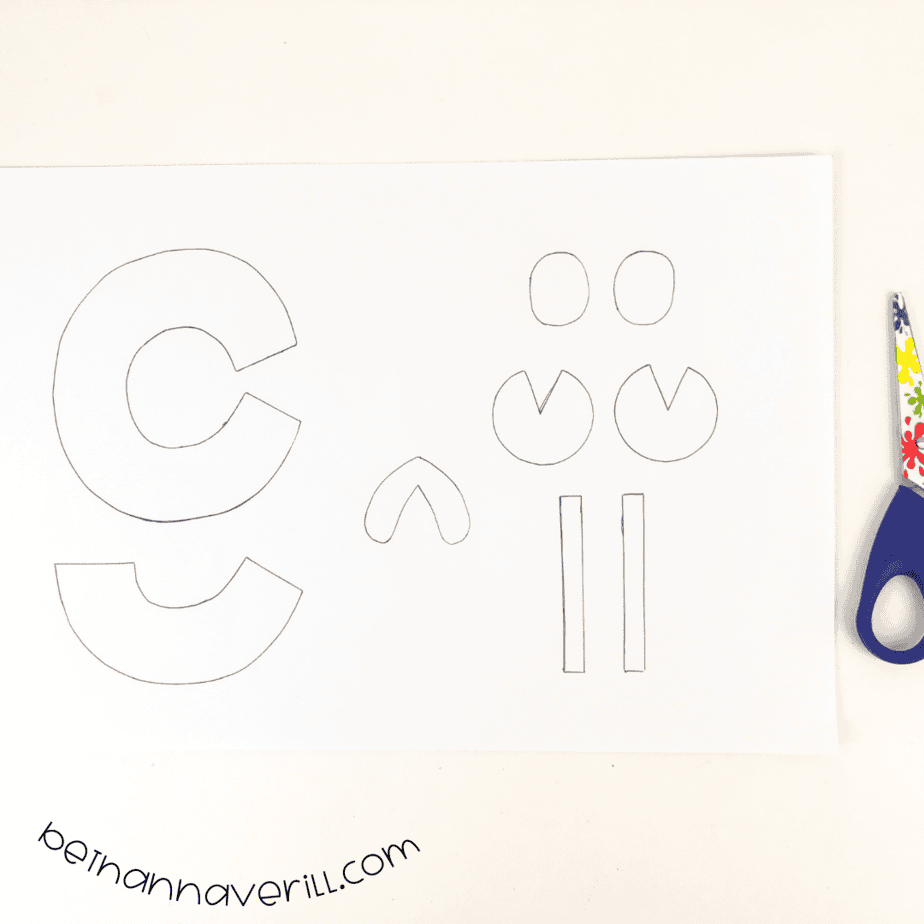
- Trace the different shapes onto the red and beige papers following the guide photo and then cut them out skillfully.


- Use a black marker to outline the shapes you have cut out to give them definition and detail.

- Add the beige curve to the bottom of your red C shape and attach the claw-shaped red pieces to the beige rectangles.

- Glue the eyes to the top of your C shape.

- Attach the arms with claws at the end to the beige portion of the C.
- Attach the tail to the bottom.
- Using a black marker, add dots to the white ovals to create eyes for the crab, bringing it to life with character.

- Your lowercase C crab craft is now complete, showcasing the creativity and teamwork of you and your preschooler.
Notes
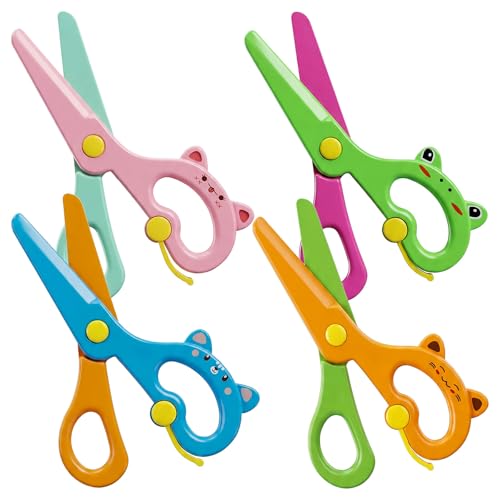
Recommended Products
As an Amazon Associate and member of other affiliate programs, I earn from qualifying purchases.


Learning Objectives
In preschool education, learning objectives play a vital role in shaping a child's educational journey. They are specific goals set by educators to guide and assess what children will achieve during their time in preschool. Let's explore key learning objectives that focus on letter recognition, understanding lowercase letters, and fine motor skills:
Letter Recognition
Letter recognition is a fundamental learning objective for preschoolers. Through engaging activities and games, children can start identifying and differentiating letters of the alphabet. By introducing them to the letter ‘c' and associating it with words like “crab,” kids can enhance their understanding of letter shapes and sounds.
Understanding Lowercase Letters
Understanding lowercase letters is an essential step towards mastering reading and writing skills. Introducing lowercase ‘c' in activities like tracing, coloring, or crafting helps children familiarize themselves with the shape and form of this letter. Through interactive tasks, preschoolers can strengthen their recognition of lowercase letters in a fun and engaging way.
Fine Motor Skills
Fine motor skills development is another important learning objective in preschool. Crafting activities like creating a crab with lowercase ‘c' can enhance children's hand-eye coordination, finger dexterity, and grip strength. By cutting, pasting, and decorating their crab craft, kids can improve their fine motor skills while having a creative and enjoyable learning experience.
Extension Ideas
Crab craft activities can be extended to reinforce learning and engage preschoolers further. Here are some creative extension ideas to enhance the experience:
Letter Sound Practice
- Crabby Phonics: Incorporate letter sound practice by encouraging kids to say “c-c-c” like a crab's pincers opening and closing. This interactive approach helps reinforce the association between the letter ‘C' and its sound.
- Crab Dance: Create a fun and engaging crab dance where children move like crabs while making the sound ‘c-c-c.' This kinesthetic activity not only reinforces letter sounds but also promotes physical activity.
Crab Facts
- Crab Anatomy Exploration: Dive deeper into the world of crabs by introducing basic crab anatomy. Teach preschoolers about claws, legs, and other features of crabs through simple and colorful illustrations or models.
- Crab Habitat Discussion: Spark curiosity by discussing where crabs live and how they survive in their natural habitats. Incorporate visuals or short videos to transport children to the exciting world of crabs.
By integrating these extension ideas into the lowercase ‘c is for crab' craft, educators can make learning multi-dimensional and captivating for young learners. These activities not only reinforce letter recognition but also foster a deeper understanding of crabs and their environment.
Please Share This Lowercase c is for Crab Letter Craft
Your shares are how this site grows and I am sincerely grateful. Know a friend who’d like this? Please share it on Facebook or save it to your favorite kids’ activity board on Pinterest.


